


 0204 505 9777
Positano is the most famous and most expensive, Amalfi is flatter with ferry links and Ravello is high and peaceful. Sorrento is a practical base with trains and good value. We help you choose by budget and mobility.
Amalfi Coast Holidays Holidays
UTC +01:00
Euro (EUR)
Italian

Rome's Colosseum opened in AD 80 and still stands beside the Roman Forum, while the dome on Florence's Duomo, completed in 1436, shows what builders achieved in the centuries that followed.

Within a single holiday you can swap the canals of Venice for the shores of Lake Garda or Lake Como, or trade the cliffside villages of the Amalfi Coast for Sicily's beaches and Mount Etna.

Pizza began in Naples, carbonara is a Roman classic and bistecca alla Fiorentina is a Florentine steak, so each region offers its own reason to sit down and eat.

Rome, Florence, Bologna, Milan and Venice are joined by high-speed services that are usually quicker than driving, which makes a two-city itinerary easy to organise without hiring a car.

Lake Garda is Italy's largest lake, and further north the Alps and Dolomites give walkers a mountain backdrop that works for a summer break or a snowy winter one.

Sicily, Sardinia, Puglia and the Adriatic Riviera around Rimini all have beaches of their own, so a few days by the sea can be added to almost any itinerary.
Six places come up again and again when UK travellers plan a first trip, and each one suits a slightly different kind of holiday.
First-time favourite: Rome puts the Colosseum, the Roman Forum and the Pantheon in one city, with Vatican City, an independent state, inside its boundaries. Rome is the usual first stop for anyone booking February half term to Italy, because the big sights can be covered in cooler weather. Vatican City alone can fill a morning, so allow time between the big sights.
City of canals: Venice spreads across a lagoon on more than 100 small islands, and with no cars in the historic centre the vaporetto water buses become your main transport. St Mark's Square, the Doge's Palace and the Grand Canal are the headline sights. Allow time to get pleasantly lost between the main sights, because the lanes are half the appeal.
Renaissance base: Florence gives you the Duomo, the Uffizi Gallery and the Ponte Vecchio in a compact centre, and it works as a base for Tuscan day trips to hill towns such as Siena and San Gimignano. The centre is small enough to cross on foot, which keeps transport costs down.
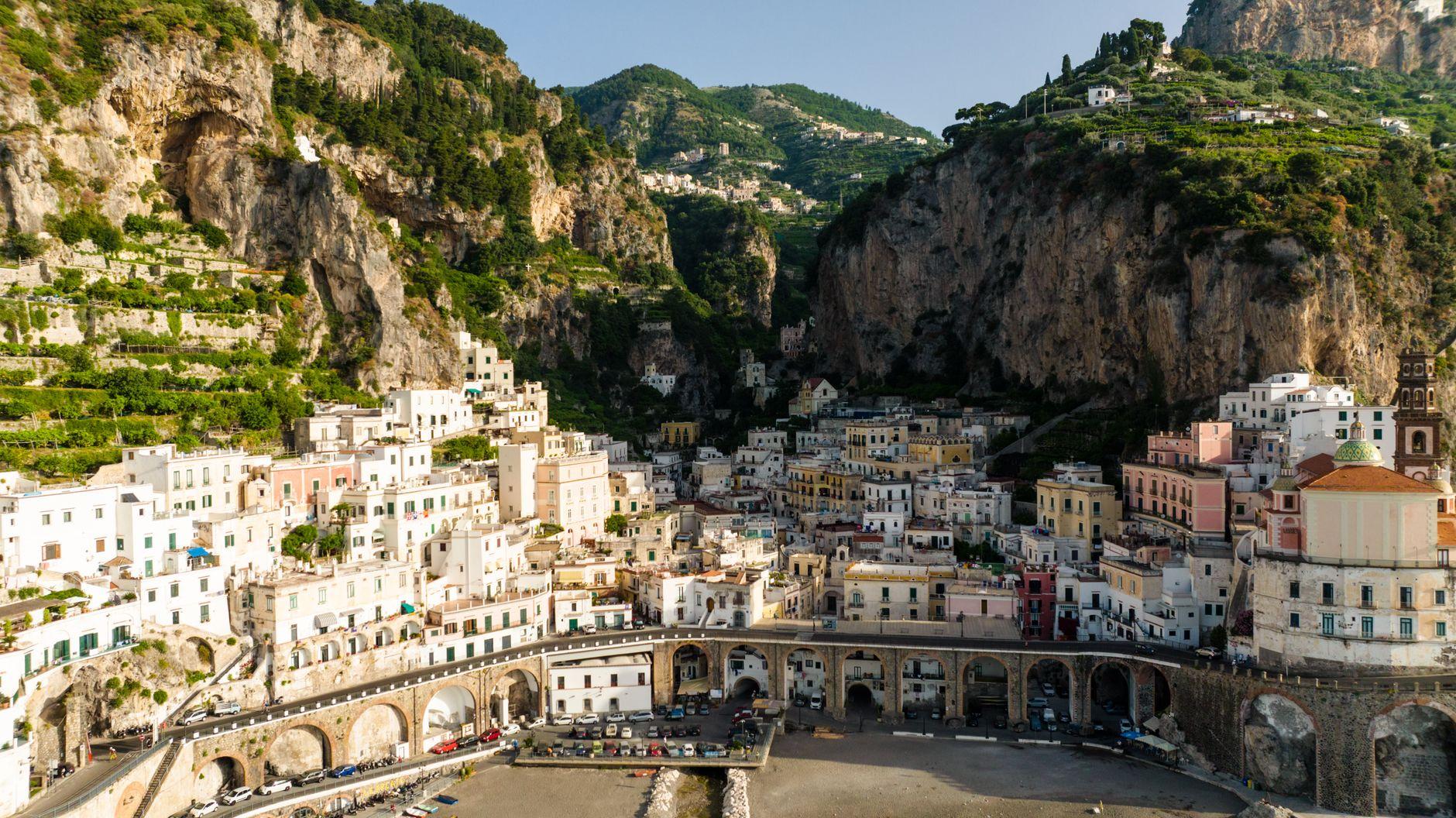
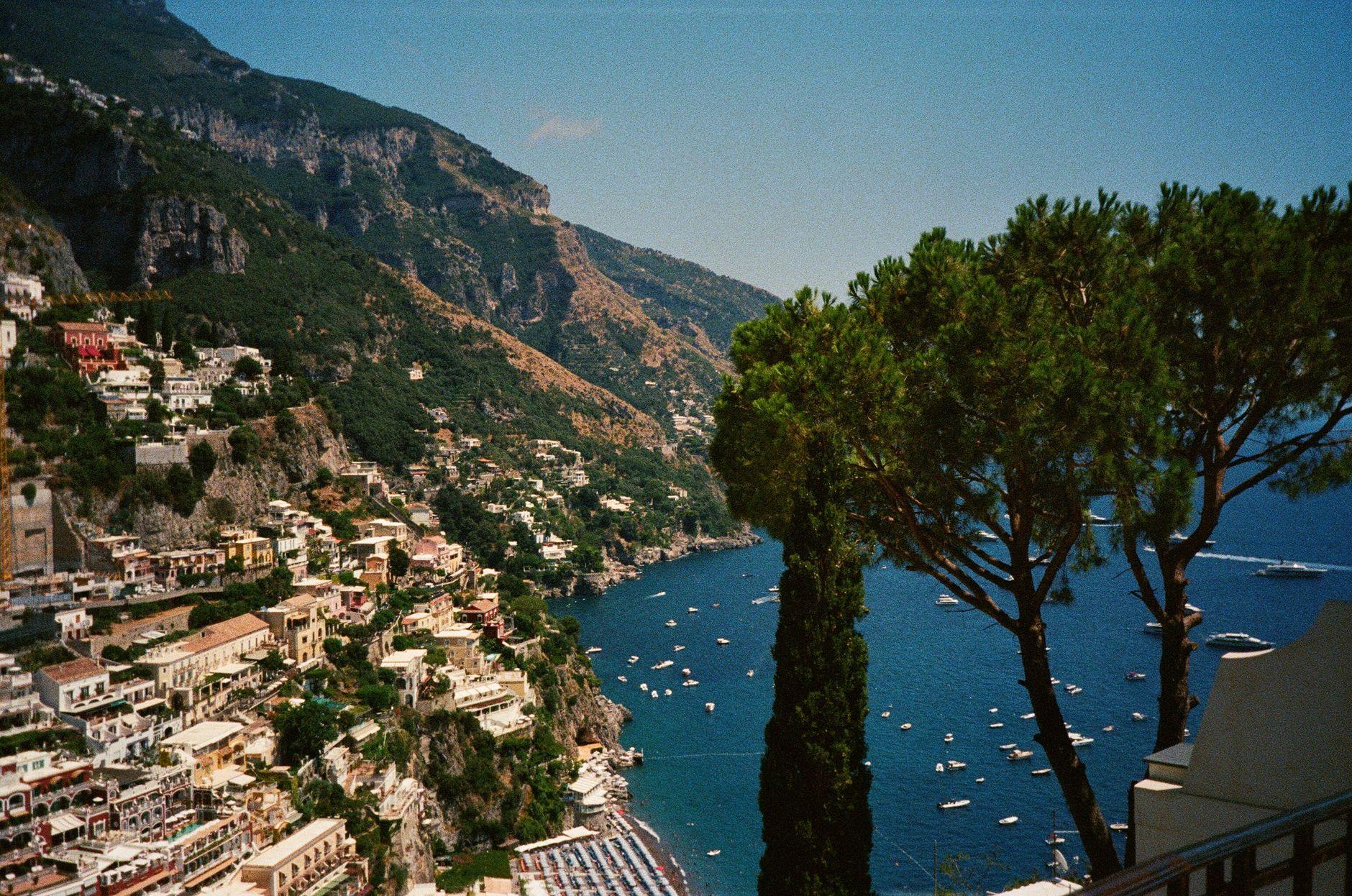
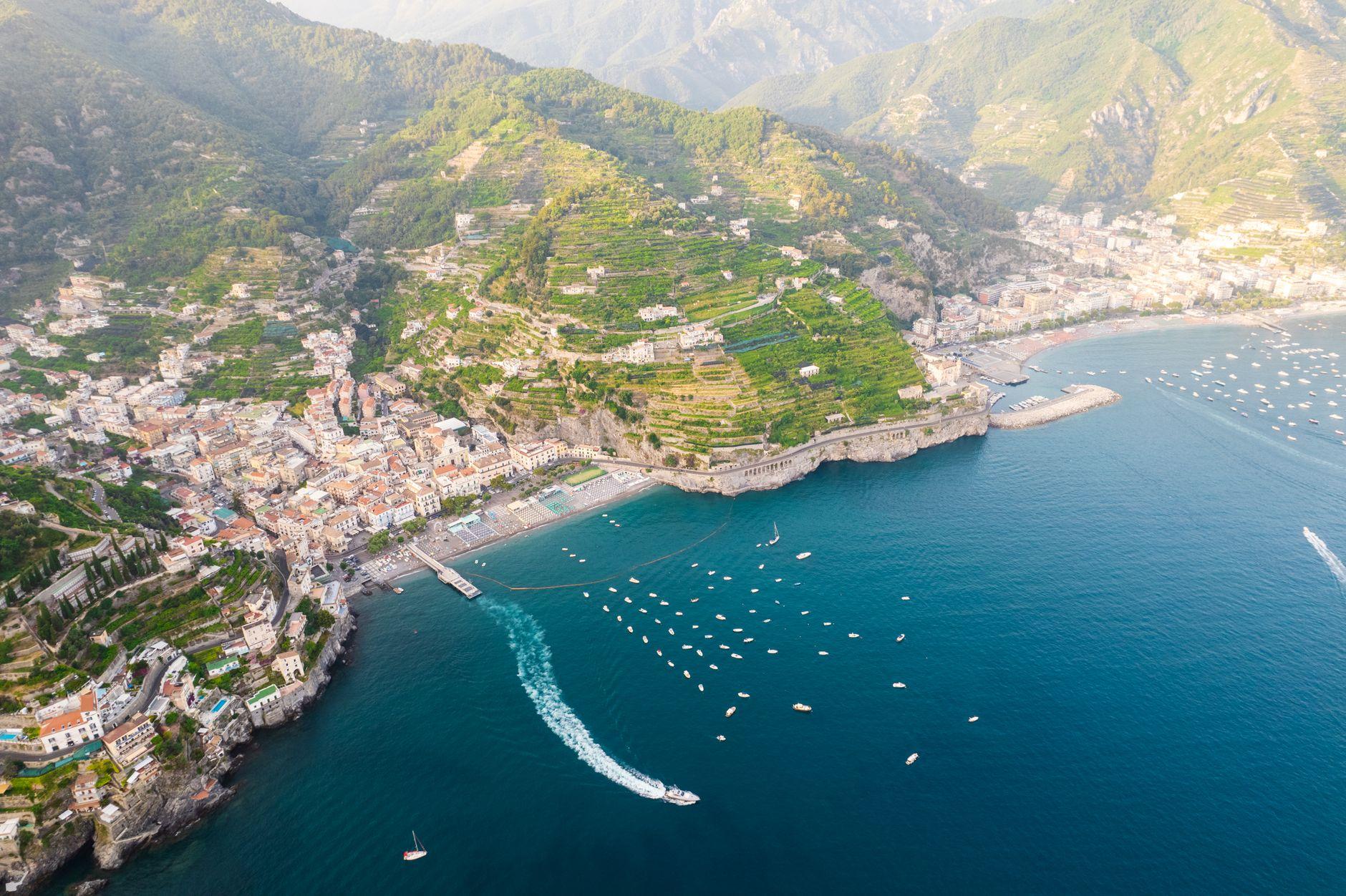
Cliffside villages: The Amalfi Coast has been a UNESCO World Heritage Site since 1997, and its clifftop villages are reached by a winding coastal road or by ferry in season. Anyone planning luxury holidays to Italy tends to compare Positano and Amalfi first, with Sorrento the usual base at the western end. Ferries run in season, so check timetables before building a day around them.
Mountains and beaches: Lake Garda is Italy's largest lake, with Sirmione, Desenzano and Riva del Garda along its shores. Travellers weighing summer holidays to Italy often pick it for the mix of beach time, boat trips, mountain scenery and family attractions. Verona is roughly 30 km from the southern shore, which suits a day trip.
Temples and volcano: Sicily is the largest island in the Mediterranean, with Greek temples, Baroque towns, beaches and Mount Etna within reach. Taormina, Palermo, Syracuse and Cefalu are the usual bases, and a UNESCO site, the Valley of the Temples, sits near Agrigento. Allow several days if you want to see more than one of these bases.
From ancient stadiums to volcano slopes, seven experiences give an Italian trip its shape, and most of them can be booked ahead.
Gladiator-era Rome: The Colosseum is the largest ancient amphitheatre ever built and shares a ticketed visit with the Roman Forum and Palatine Hill, so booking a timed slot ahead saves queueing in season, and it is easy to plan the rest of the day around that slot.
Michelangelo's masterpiece: The Vatican Museums end in the Sistine Chapel, where Michelangelo painted the ceiling between 1508 and 1512, and St Peter's Basilica sits next door with a dress code of covered shoulders and knees, so allow a few hours and plan lunch afterwards.
Renaissance art stop: The Uffizi Gallery holds Botticelli's Birth of Venus alongside works by Leonardo and Michelangelo, and booking ahead avoids long queues, which makes it a sensible half-day anchor in Florence, and a stroll around the compact centre afterwards completes the day.
Water-bus ride: A vaporetto along the Grand Canal passes palaces and the Rialto Bridge, the oldest bridge across it, for the price of a public transport ticket, while gondola rides are a pricier private alternative, and the ride gives a useful first view of the city before you choose sights.
Roman ruins excursion: Pompeii was buried by the eruption of Vesuvius in AD 79 and is now a UNESCO World Heritage Site. Families booking October half term to Italy can reach it as a day trip from Naples or Sorrento. The site rewards a full morning.
Villa-spotting afternoon: Public ferries and private boats link Lake Como villages such as Bellagio, Varenna and Menaggio, so an afternoon on the water shows you the villas against their mountain backdrop.
Volcano day out: Guided departures climb Mount Etna by cable car, 4x4 and on foot, though how high you can go depends on current volcanic activity. They also suit anyone on solo holidays to Italy who prefers not to organise the climb alone. Booking ahead helps, because volcanic activity can change plans at short notice.
Positano is the most famous and most expensive, Amalfi is flatter with ferry links and Ravello is high and peaceful. Sorrento is a practical base with trains and good value. We help you choose by budget and mobility.