


 0204 505 9777
 Far safer than its old reputation suggests. Tourist police now patrol the main sites. Everyday care still applies, as anywhere: watch your belongings, use a ride app after dark and check FCDO advice before you travel.
El Salvador Holidays

UTC −06:00
United States Dollar
Spanish

You can wake beside a surf break, stand on an active volcano rim by mid-morning and sleep in a lamplit colonial town the same night, all in a country smaller than Wales.

More than twenty volcanoes ripple across the interior, several walkable in a morning with a guide, and the highest holds a turquoise crater lake almost too bright to look real.

The Pacific shoreline serves up warm-water point breaks that peel for hundreds of metres, suiting both nervous first-timers on gentle rollers and seasoned surfers hunting a long, fast wave.

The cool western highlands have grown some of the region's most respected coffee since the late nineteenth century, and the family fincas welcome visitors for a walk-through and a tasting.

Prices sit well below the Costa Rica and Panama norm, so a mid-range budget stretches to nicer rooms, guided days out and long, unhurried meals.

English is spoken more widely each year in the tourist areas, tourist police watch the main sites, and people are openly glad that visitors are finding their country again.
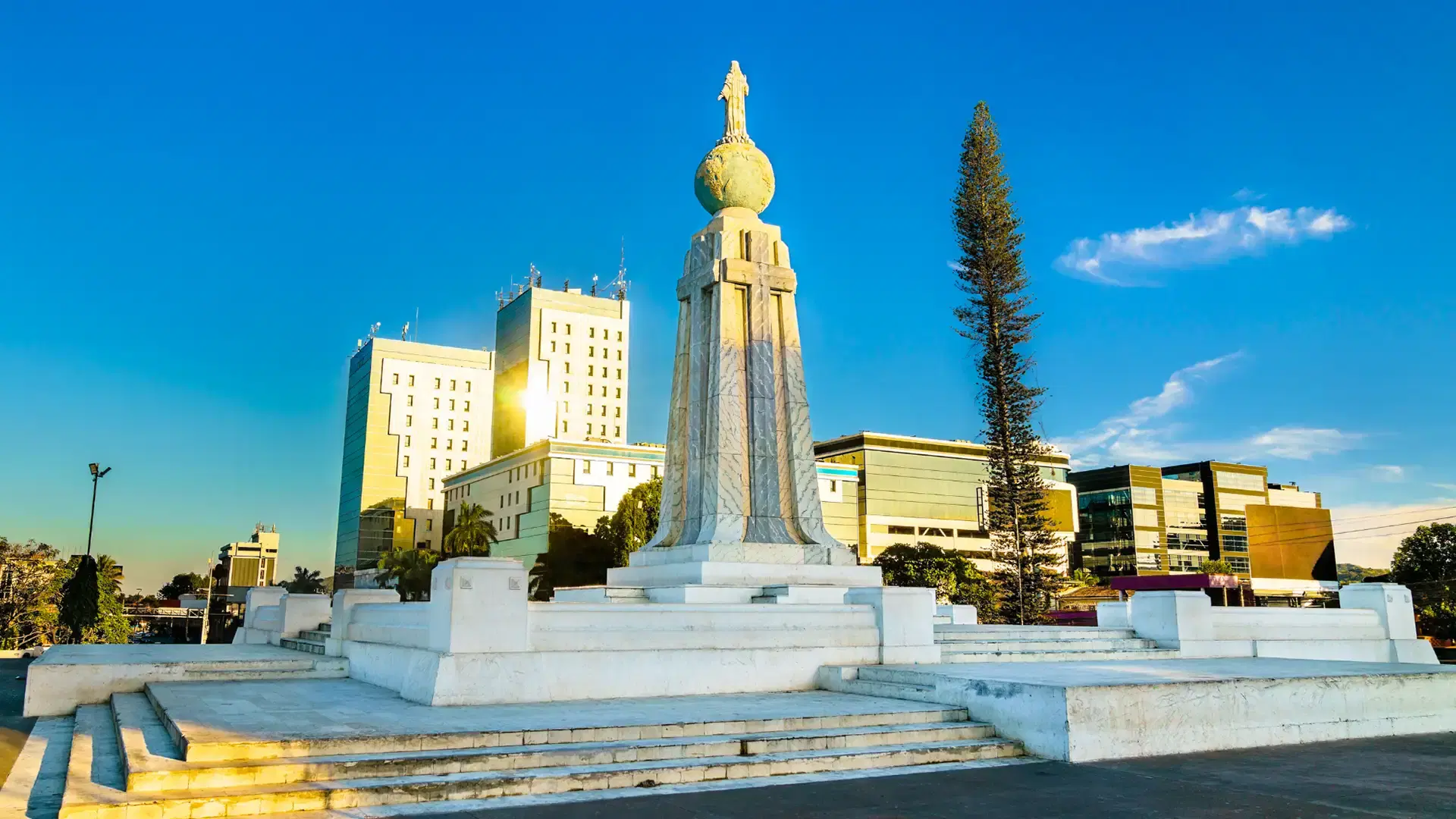
The country splits into a few clear regions, and most El Salvador tours thread together the western volcanoes, the coffee route and the surf coast into one loop. The classic Santa Ana volcano hike is the single sight most first visits end up built around.
The western volcanoes: Santa Ana, or Ilamatepec, is the country's highest volcano at 2,381 metres, and the walk up ends at a sulphur-blue crater lake with Lake Coatepeque and Izalco far below.
Lake Coatepeque: This deep crater lake sits just beneath Santa Ana and shifts from navy to bright turquoise through the year, its shore dotted with swim decks, restaurants and weekend boat hire.
Ruta de las Flores: A thirty-six-kilometre mountain road links the coffee towns of Nahuizalco, Juayúa, Apaneca and Concepción de Ataco, each painted with murals and liveliest during the weekend food fairs.
Suchitoto: The best-preserved colonial town in the country looks out over Lake Suchitlán from steep cobbled streets, with indigo dye workshops, art galleries and the white Santa Lucía church anchoring its plaza.
The Surf City coast: El Tunco, El Sunzal and El Zonte line up along a short run of Pacific shore, mixing beginner-friendly rollers with an easy-going bar scene and some of the longest sunset evenings on the coast.
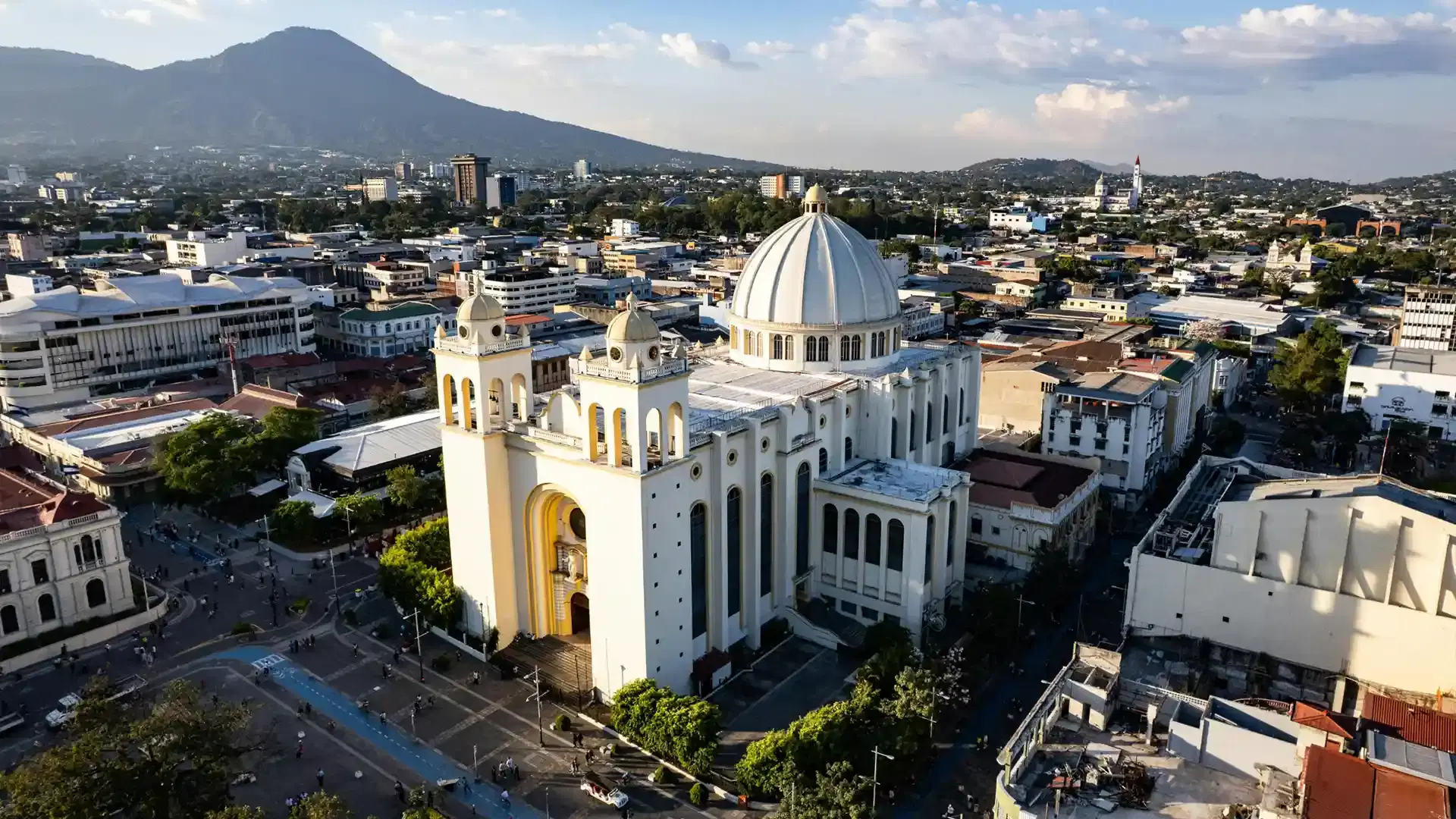
San Salvador: The capital carries the best museums, the concrete-and-glass El Rosario church and a smartened-up historic centre, and it doubles as the natural arrival point and transport hub for the whole country.
Beyond the headline climb, the range of things to do in El Salvador runs from Maya ruins to waterfall scrambles and coffee tastings, much of it cheap or free once you know where to point yourself. Spacing an active morning against a slower afternoon beats trying to cram every sight into one exhausting day.
Joya de Cerén: The only UNESCO World Heritage Site in the country preserves a Maya farming village buried by ash around AD 600, so completely that it is nicknamed the Pompeii of the Americas.
Climb Santa Ana: A guided morning up Ilamatepec reaches the crater rim in roughly two hours of steady walking, with that glowing green lake and a sweep of neighbouring volcanoes as the payoff at the top.
Coffee-finca tour: Estates around Ataco and Apaneca walk you through picking, drying and roasting the beans before a tasting on the terrace, a calm half-day in the cool, green air of the highlands.
Waterfall hikes: The Los Chorros de la Calera falls near Juayúa and the Tamanique cascades behind the coast both mix short rock scrambles with cold plunge pools worth the effort of getting down to them.
Highland food fair: Every weekend the streets of Juayúa fill with a food fair of grilled meats, fresh pupusas and sugary treats, the tastiest way to eat across the region in an afternoon.
San Salvador centre: The revived historic core sets the Metropolitan Cathedral and National Palace beside the astonishing concrete-and-stained-glass El Rosario church, one of the most unusual religious buildings anywhere in the region.
El Boquerón crater: A short drive above the capital reaches a national park perched on the rim of a volcano, with an easy loop path circling a vast crater and long views back over the city.
Far safer than its old reputation suggests. Tourist police now patrol the main sites. Everyday care still applies, as anywhere: watch your belongings, use a ride app after dark and check FCDO advice before you travel.