History, Culture, and Nightlife in Monsanto
History
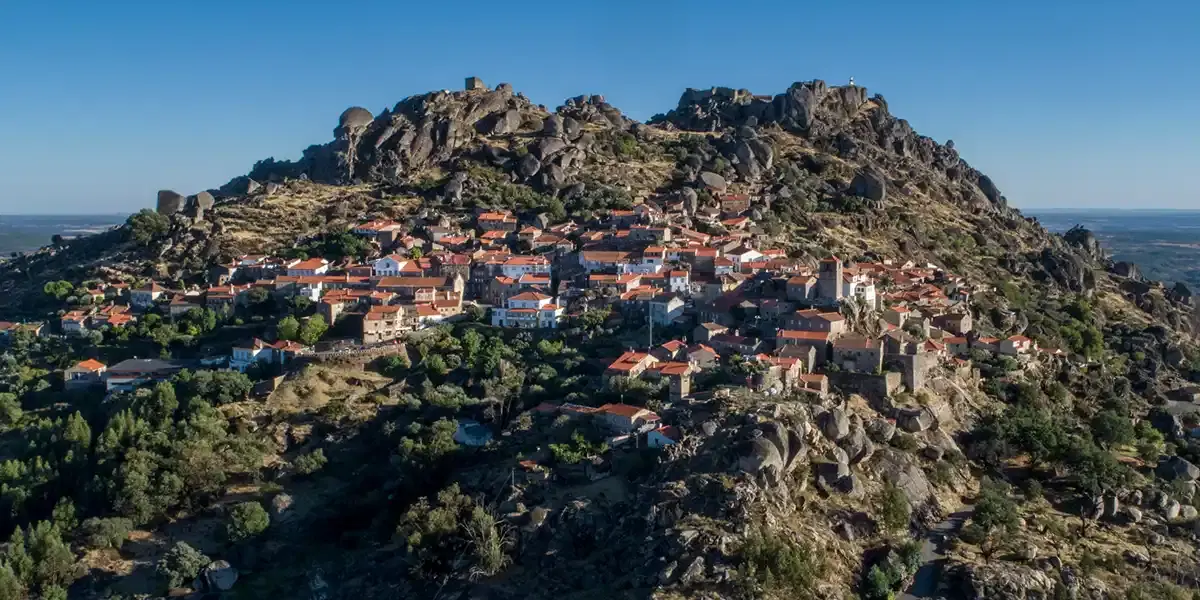
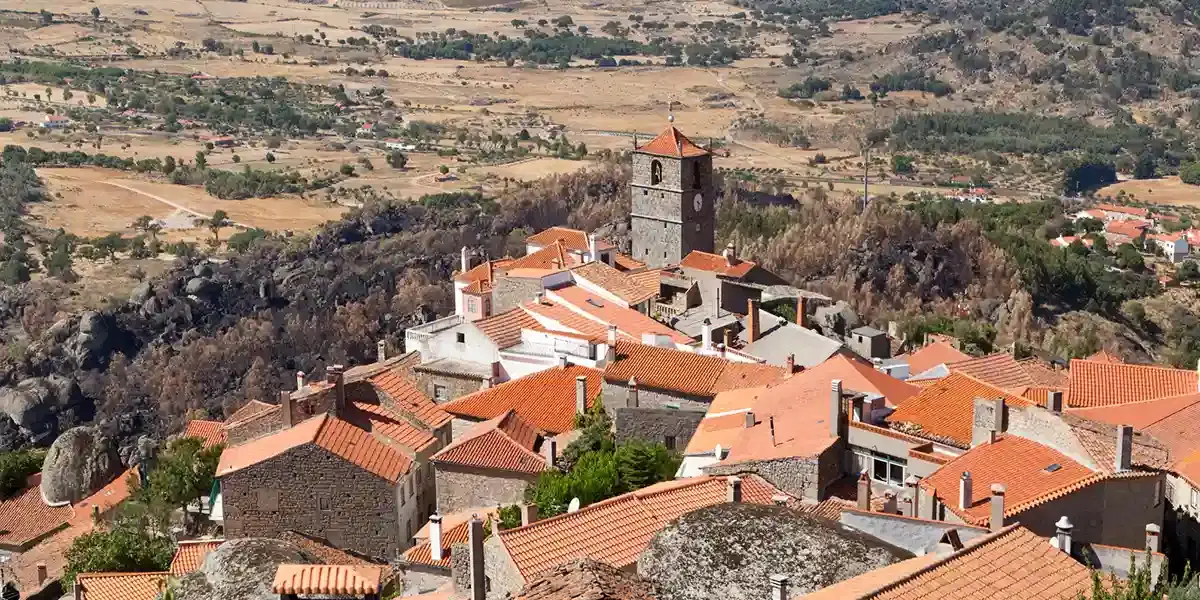
Monsanto has a long and fascinating history, dating back to prehistoric times. The village was an important settlement during Roman and medieval periods, and its strategic hilltop location made it a natural fortress. In the 12th century, King Afonso Henriques granted Monsanto to the Knights Templar, who built the impressive castle that still stands in ruins today. Over the centuries, Monsanto remained a stronghold, playing a role in Portugal’s defence. Its unique stone houses, built around massive boulders, reflect the village’s long-standing tradition of adapting to the rocky landscape.
Culture
Monsanto is known as the "most Portuguese village in Portugal," a title awarded in 1938 due to its well-preserved traditions and architecture. The village has a deep connection to Portuguese folklore, and its residents take pride in their heritage. Local crafts, such as handmade pottery and woven textiles, are still produced and sold in small shops. One of the most important cultural events is the Festa de Santa Cruz in May, where women carry flower-filled clay pots (marafonas) on their heads in a traditional parade. This festival celebrates both religious devotion and local customs that have been passed down for generations.
Nightlife
Monsanto is a quiet village, so nightlife here is relaxed and centred around traditional experiences. Instead of busy bars and clubs, visitors can enjoy an evening at a small, family-run tavern, tasting local wines and cheeses. Some restaurants offer live Fado music, a traditional Portuguese genre known for its emotional melodies. The village’s peaceful setting also makes it perfect for night walks, where you can admire the illuminated castle ruins under a starry sky.



 0204 505 9777