Best Places to Visit in Prague
Six areas and landmarks anchor nearly every first visit, and each one repays more time than the tour groups allow it.
-
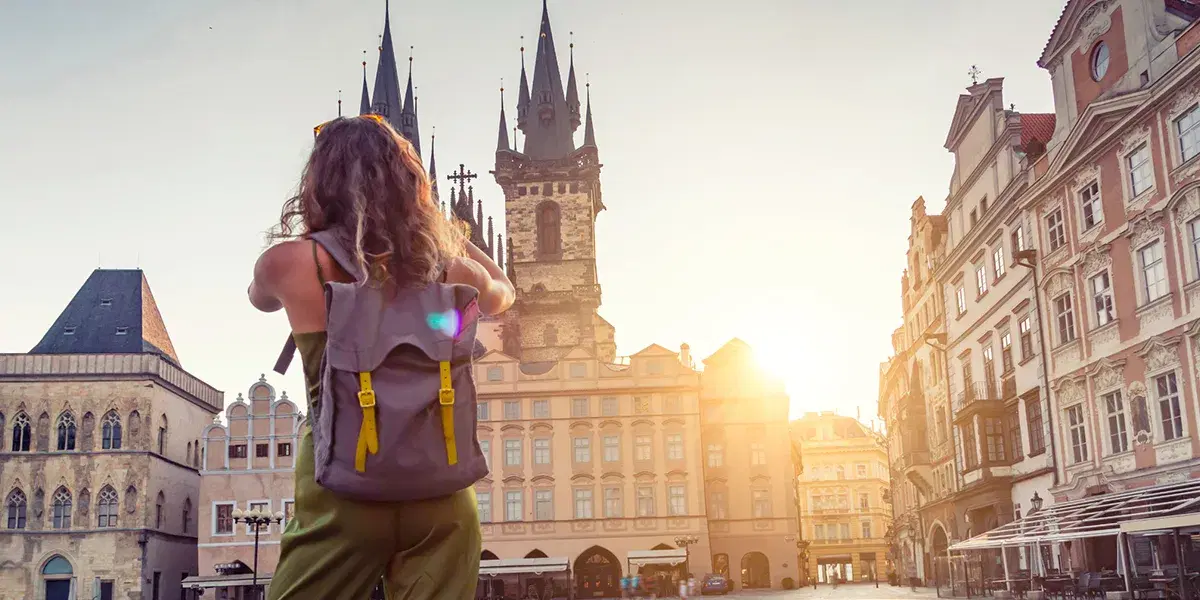
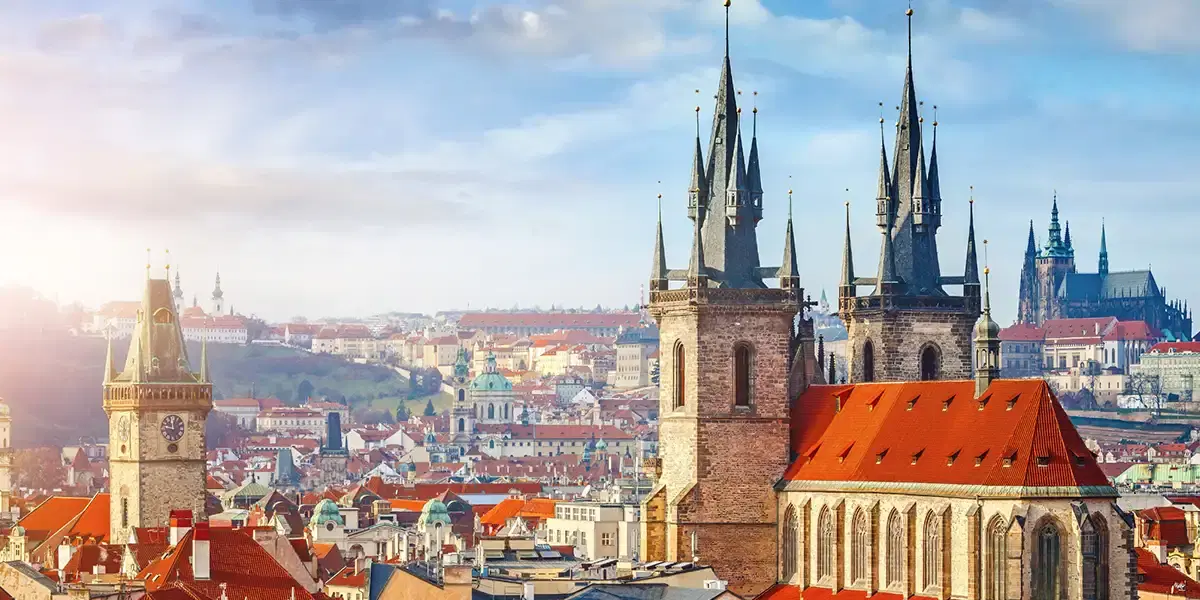
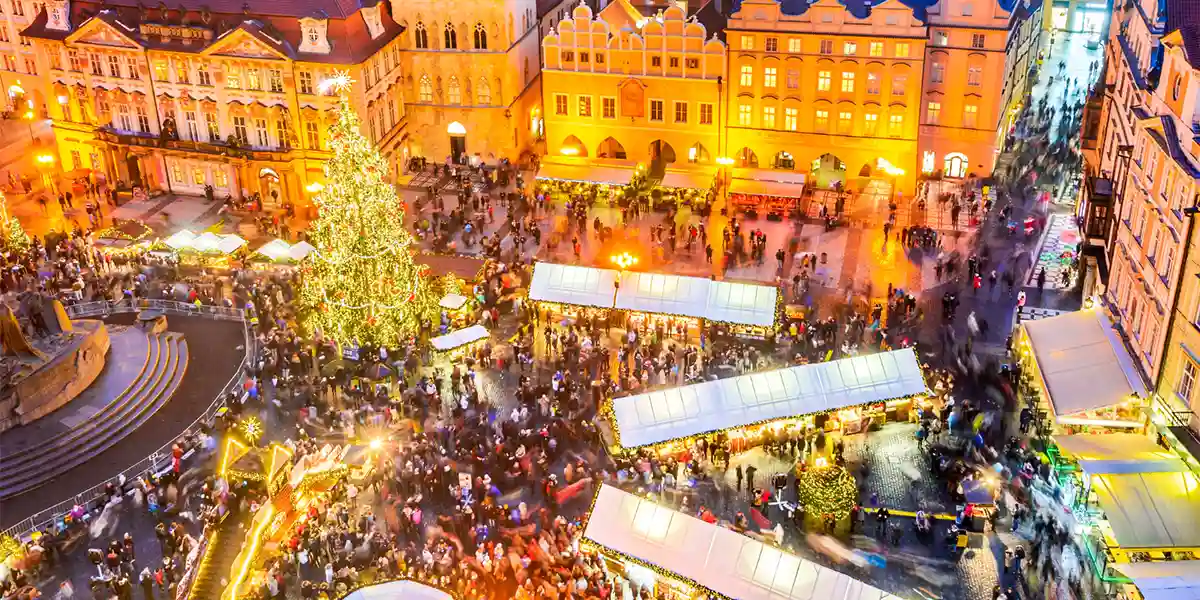
Old Town Square: The medieval heart holds the twin-spired Týn Church and the Orloj, the astronomical clock installed in 1410 and still the oldest one operating anywhere; most city breaks to Prague begin right here, and the hourly procession of apostle figures explains the permanent crowd below the tower.
-
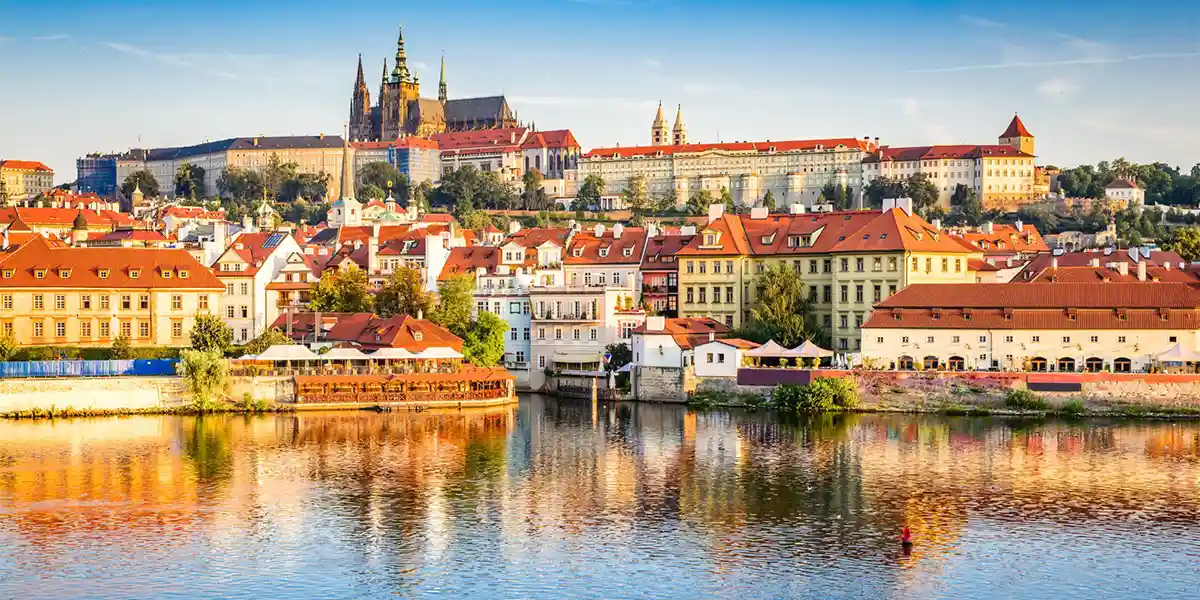
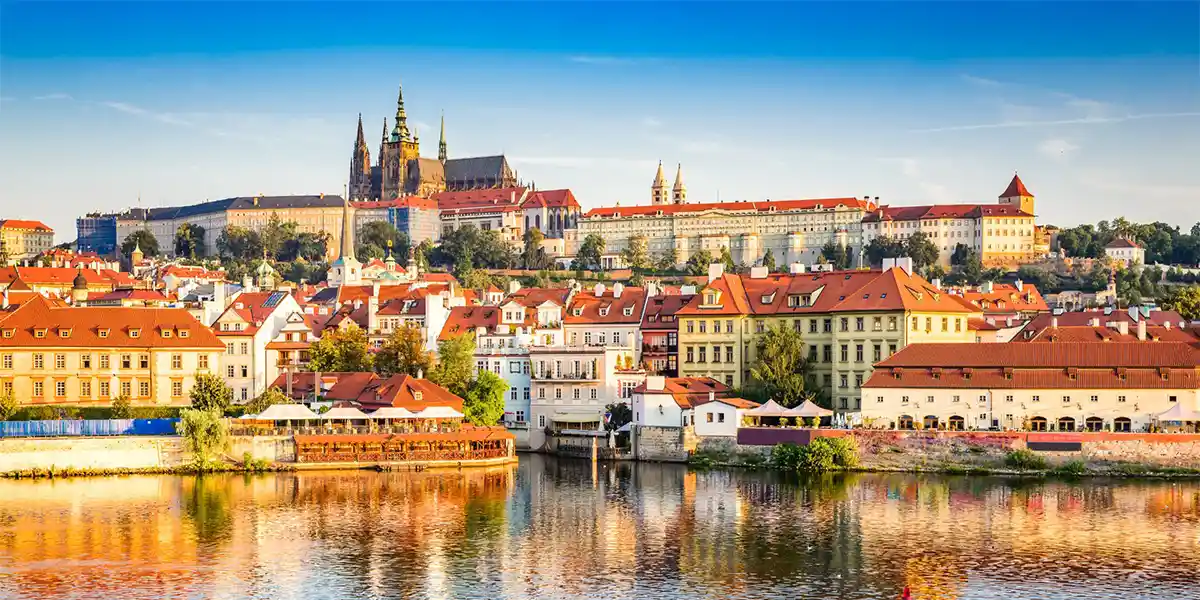
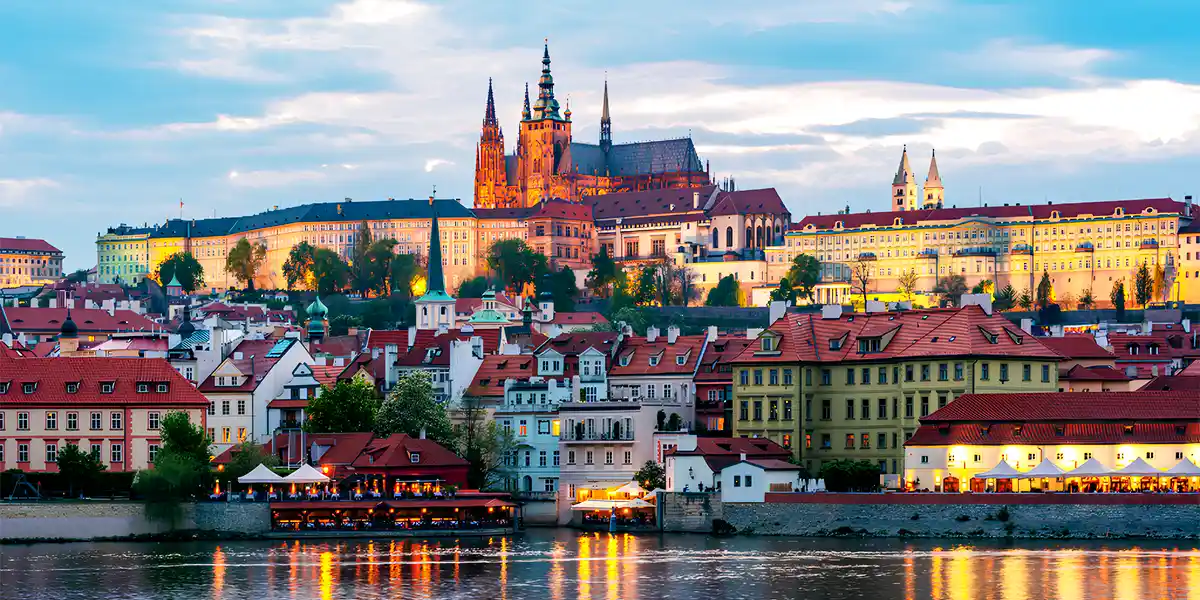
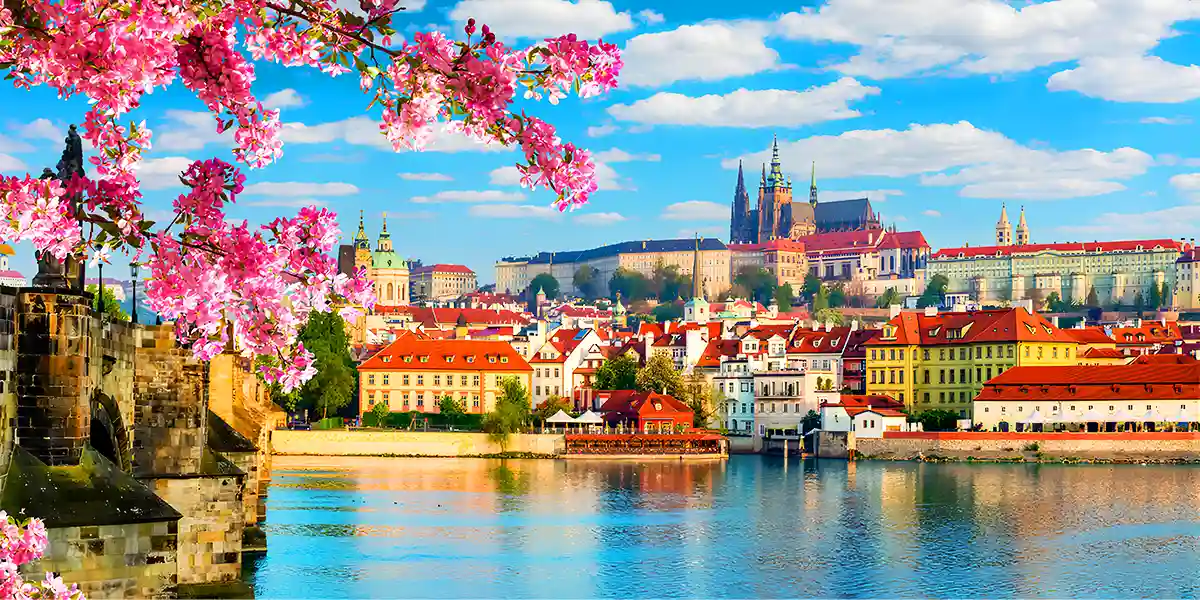
Prague Castle & St Vitus: Crowning the west bank, the hilltop citadel wraps palaces, gardens and the tiny painted cottages of Golden Lane around a cathedral that took nearly six hundred years to finish, and the whole complex holds the record as the largest ancient fortress-and-palace grounds anywhere in the world.
-
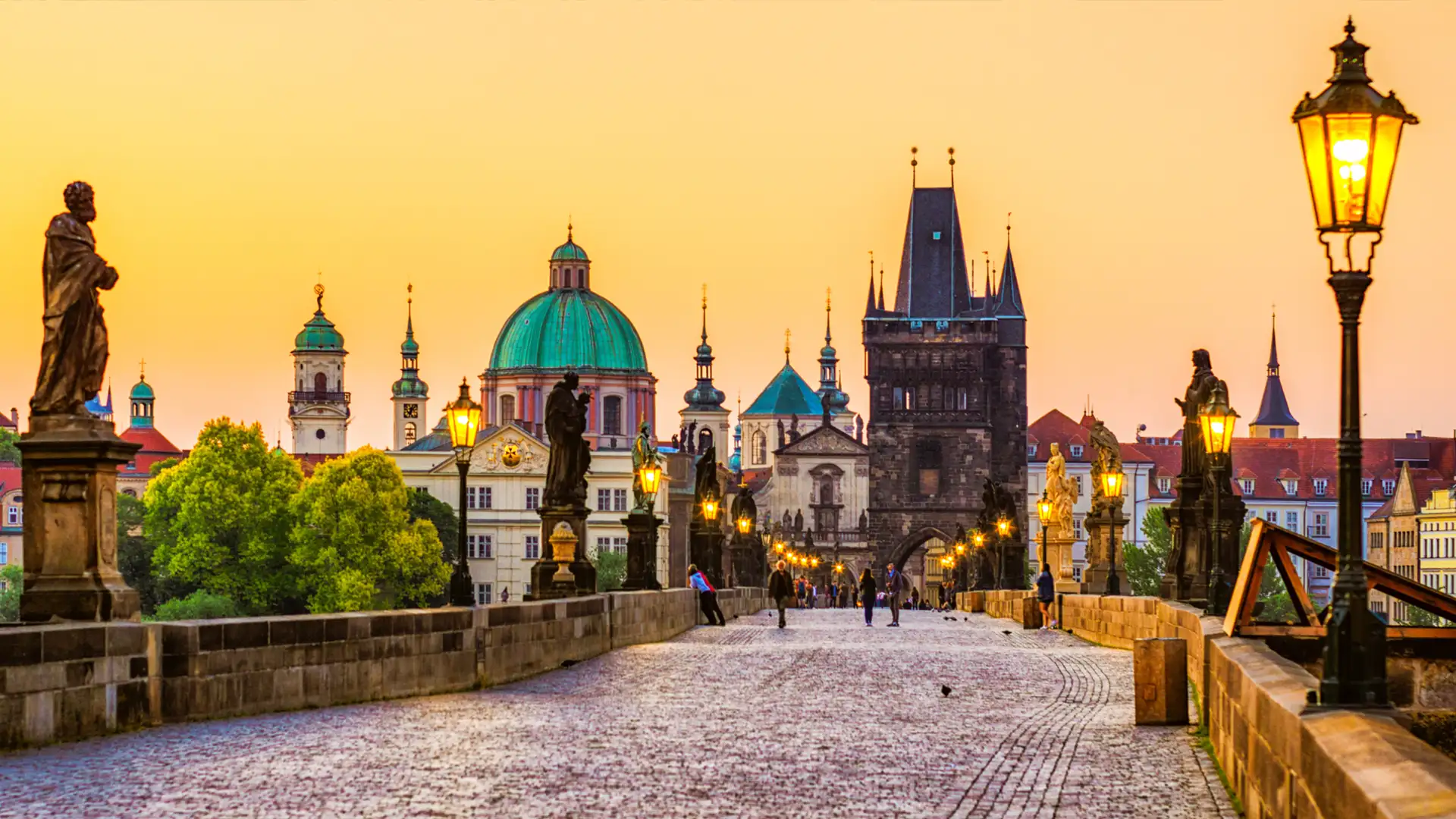
Charles Bridge: Begun in 1357 by the emperor who gave it his name, the stone crossing carries thirty statues of saints between its Gothic gate towers; walk it before seven in the morning and you will share it with photographers, swans and almost nobody else.
-
Malá Strana & Kampa Island: The Lesser Town tumbles downhill from the castle in a knot of embassies, courtyard pubs and cobbled lanes, ending at Kampa, a riverside park with a working mill wheel and the ever-repainted Lennon Wall on its edge.
-
Josefov: The former Jewish quarter preserves the Old-New Synagogue, in use since around 1270 and the oldest active synagogue in Europe, alongside a cemetery where twelve thousand headstones lean together in layers built up over three centuries.
-
The New Town: Wenceslas Square anchors it, less a square than a grand boulevard where modern Czech history happened, watched over by the National Museum, which reopened in 2018 after a seven-year restoration; Frank Gehry's 1996 Dancing House stands a short walk away on the riverbank, still dividing local opinion three decades on.



 0204 505 9777