

 0204 505 9777
 UK passport holders can usually visit South Korea for tourism without a visa for short stays of up to 90 days. However, travellers should always check the latest entry requirements before travelling.
South Korea Holidays

UTC +09:00
South Korean Won
Korean

South Korea has a long and fascinating history that can be seen in its royal palaces, ancient temples, and historic towns. Visitors can learn about centuries of Korean heritage while visiting well-preserved cultural sites across the country.

Cities such as Seoul and Busan offer a mix of modern architecture, lively districts, and cultural landmarks. These cities combine traditional elements with modern life, giving travellers a varied and interesting urban experience.

South Korea offers impressive natural scenery, including mountains, forests, coastlines, and islands. National parks, hiking trails, and scenic viewpoints provide plenty of opportunities to enjoy nature throughout the year.

Travelling around South Korea is simple and convenient thanks to its efficient transport system. High-speed trains, metro networks, and well-organised bus routes make it easy for visitors to move between cities and attractions.

The country is known for its lively shopping areas, modern malls, and traditional markets. Visitors can find everything from Korean fashion and cosmetics to unique souvenirs and local goods.

South Korea has become increasingly popular with international travellers and offers many visitor-friendly services. Tourist information centres, English signage in major areas, and organised travel infrastructure help make holidays comfortable and convenient.
Things to Do in South Korea
Visit Historic Palaces and Traditional Villages
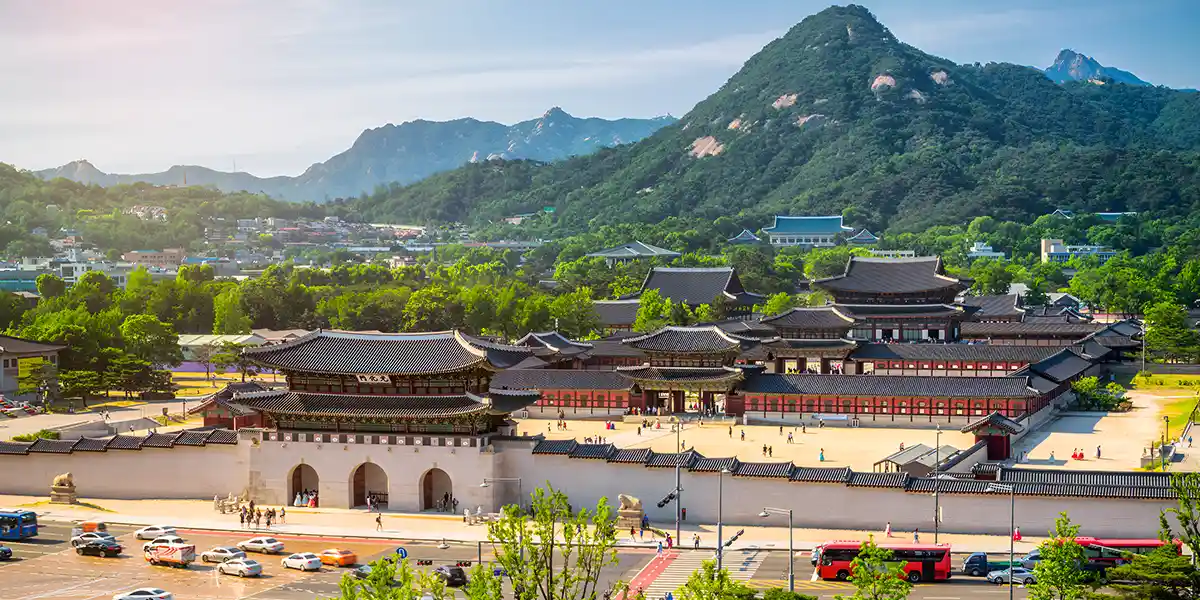
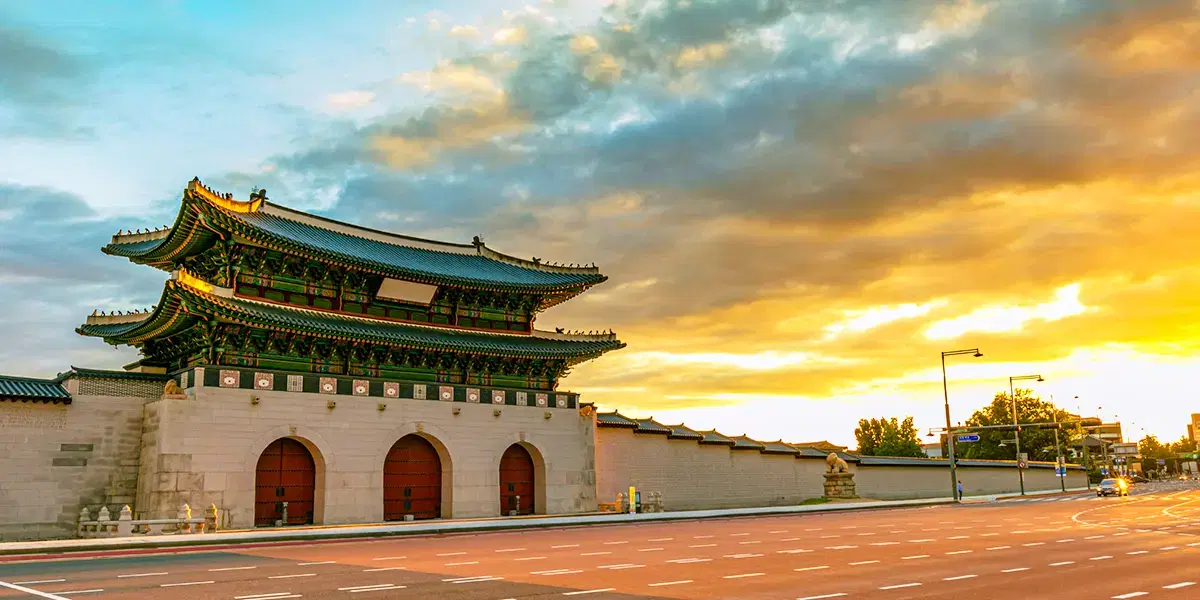
South Korea’s long history can be seen in its royal palaces, temples, and preserved neighbourhoods. In Seoul, visitors can tour Gyeongbokgung Palace, the largest palace from the Joseon Dynasty, known for its impressive gates and traditional architecture. Nearby, Bukchon Hanok Village offers a glimpse into the past with rows of traditional Korean houses called hanok. Walking through these streets gives travellers a chance to see how people lived in earlier centuries.
See Seoul’s Modern Side
Seoul is also known for its modern skyline, shopping districts, and vibrant urban culture. Visitors can enjoy wide views of the city from N Seoul Tower, which sits on Namsan Mountain. Popular areas such as Myeongdong and Gangnam are known for their shops, cafés, and busy streets, while the Hongdae district is recognised for its youthful atmosphere, live music, and street art.
Travel Beyond the Capital
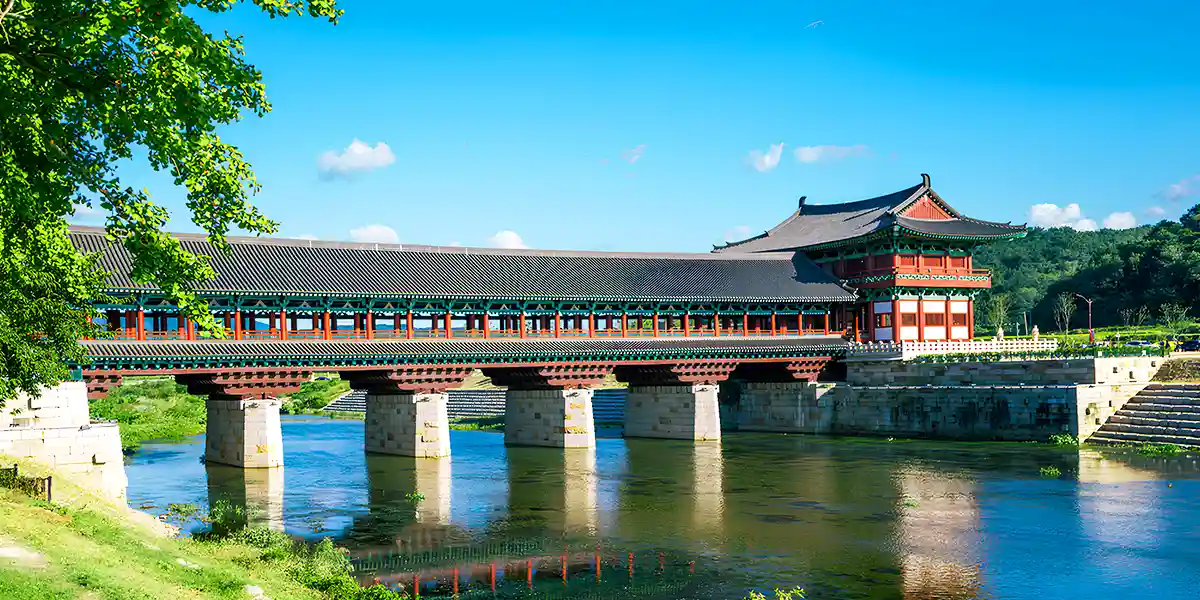
Exploring beyond Seoul offers a broader view of South Korea. The coastal city of Busan is known for its beaches, lively markets, and scenic waterfront areas. Gamcheon Culture Village, with its colourful hillside houses, is one of the city’s most recognisable spots. Gyeongju, the former capital of the ancient Silla Kingdom, is home to historic temples, royal tombs, and several UNESCO heritage sites.
Enjoy Nature and Scenic Landscapes
South Korea also offers impressive natural scenery. Jeju Island is well known for its volcanic landscapes, waterfalls, and coastal views. Hallasan Mountain, the highest peak in the country, attracts hikers throughout the year. On the mainland, Seoraksan National Park is famous for its rugged mountains and forest trails, especially during autumn when the leaves turn bright shades of red and gold.
History, Culture and Nightlife in South Korea
History
South Korea has a long and rich history that dates back thousands of years. Several ancient kingdoms once ruled the Korean Peninsula, including the Goguryeo, Baekje, and Silla kingdoms. Later, the Joseon Dynasty ruled the country for more than 500 years and shaped much of Korea’s traditional culture, language, and architecture. Many historic sites from these periods can still be visited today, including royal palaces in Seoul, Buddhist temples, and ancient burial mounds in cities such as Gyeongju. These landmarks give visitors a clear view of the country’s past.
Culture
Korean culture combines strong traditions with modern influences. Respect for family, elders, and cultural customs remains an important part of daily life. Visitors will often see people wearing traditional clothing called hanbok at historic sites and cultural events. South Korea is also known worldwide for modern cultural exports such as K-pop music, Korean films, television dramas, and fashion. Museums, art galleries, traditional performances, and seasonal festivals across the country provide travellers with opportunities to learn more about Korean traditions and contemporary culture.
Nightlife
South Korea, particularly Seoul, has an active nightlife that continues late into the night. Districts such as Hongdae, Itaewon, and Gangnam are well known for their lively atmosphere, with a wide range of bars, clubs, live music venues, and late-night cafés. Many areas also offer night markets and street performances. Karaoke rooms, known locally as noraebang, are a popular evening activity where groups gather to sing and socialise. This vibrant nightlife adds another dimension to a visit, giving travellers a chance to see a different side of the country after dark.
UK passport holders can usually visit South Korea for tourism without a visa for short stays of up to 90 days. However, travellers should always check the latest entry requirements before travelling.
 2 Deals
Top Deals on Holiday Packages 2026
 2 Deals
Twin Center Holiday 2026
 2 Deals
Long Haul Holidays: Explore the World’s Best Destinations
 2 Deals
Affordable Luxury Holidays 2026
 2 Deals
Cheap City Breaks 2026/2027
 2 Deals
January Holiday Deals 2027/2028
 2 Deals
February Holidays 2027/2028
 2 Deals
March Holiday Deals 2027/2028
 2 Deals
All-Inclusive April Holiday Deals 2027/2028
 2 Deals
May Holiday Deals 2027/2028
 2 Deals
All-Inclusive June Holiday Deals 2027/2028
 2 Deals
July Holiday Deals 2027/2028

Busan, Seoul
From £2860
£1859per person