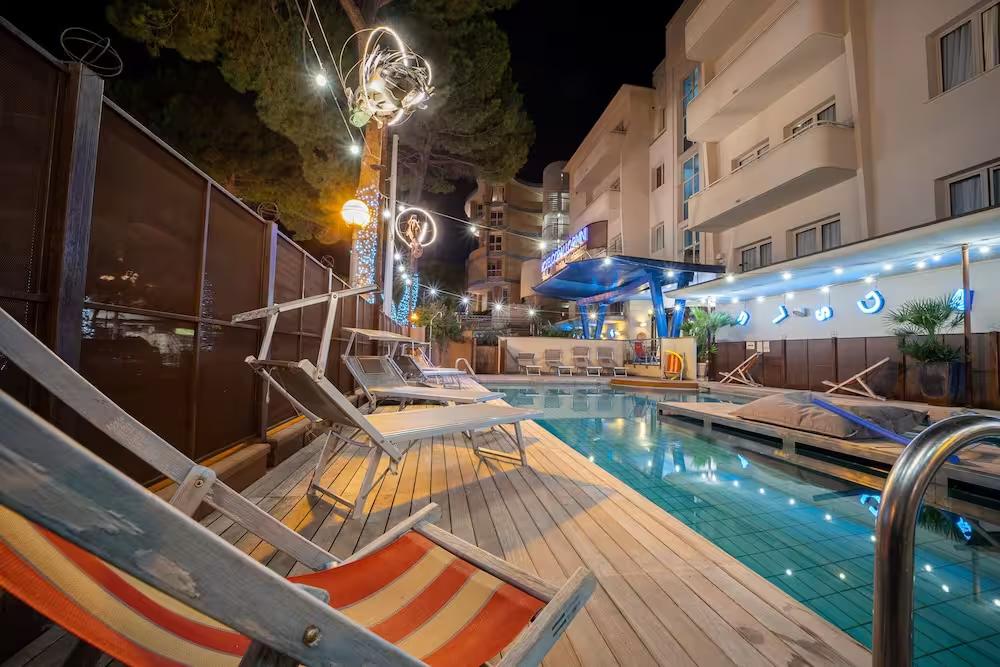
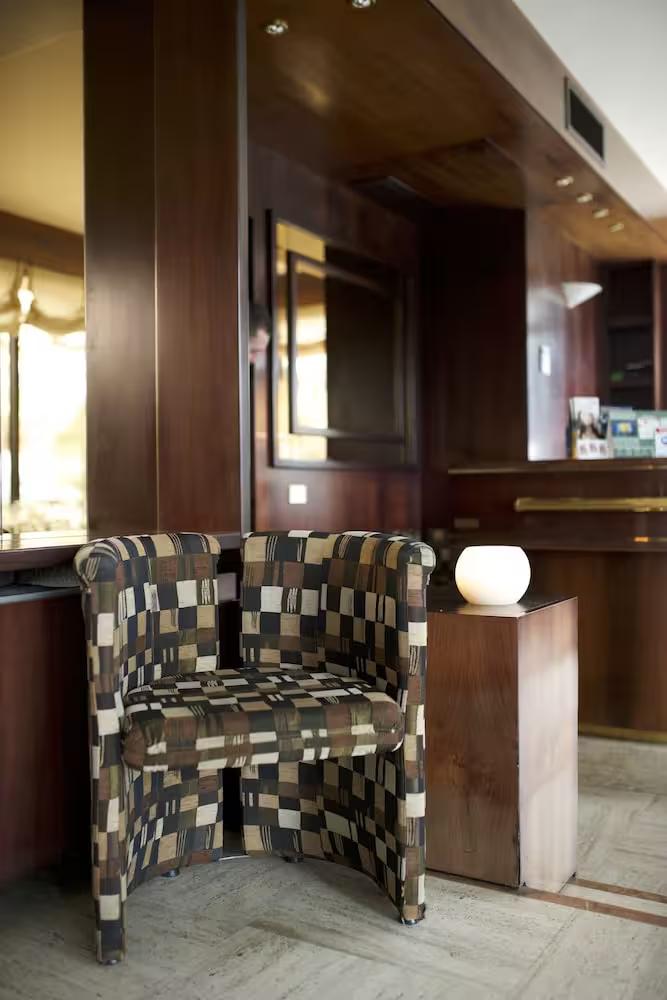
 City HotelRoom Only
3.0Average412 reviews
Club Hotel
Mestre, Venice (and vicinity)6.0km from the beach
- Flights included
- 15 Jan 2027 – 3 Nights
- Room Only
£89pp
Weekend City Breaks to Venice Holidays
 City HotelRoom Only
Mestre, Venice (and vicinity)6.0km from the beach
£89pp
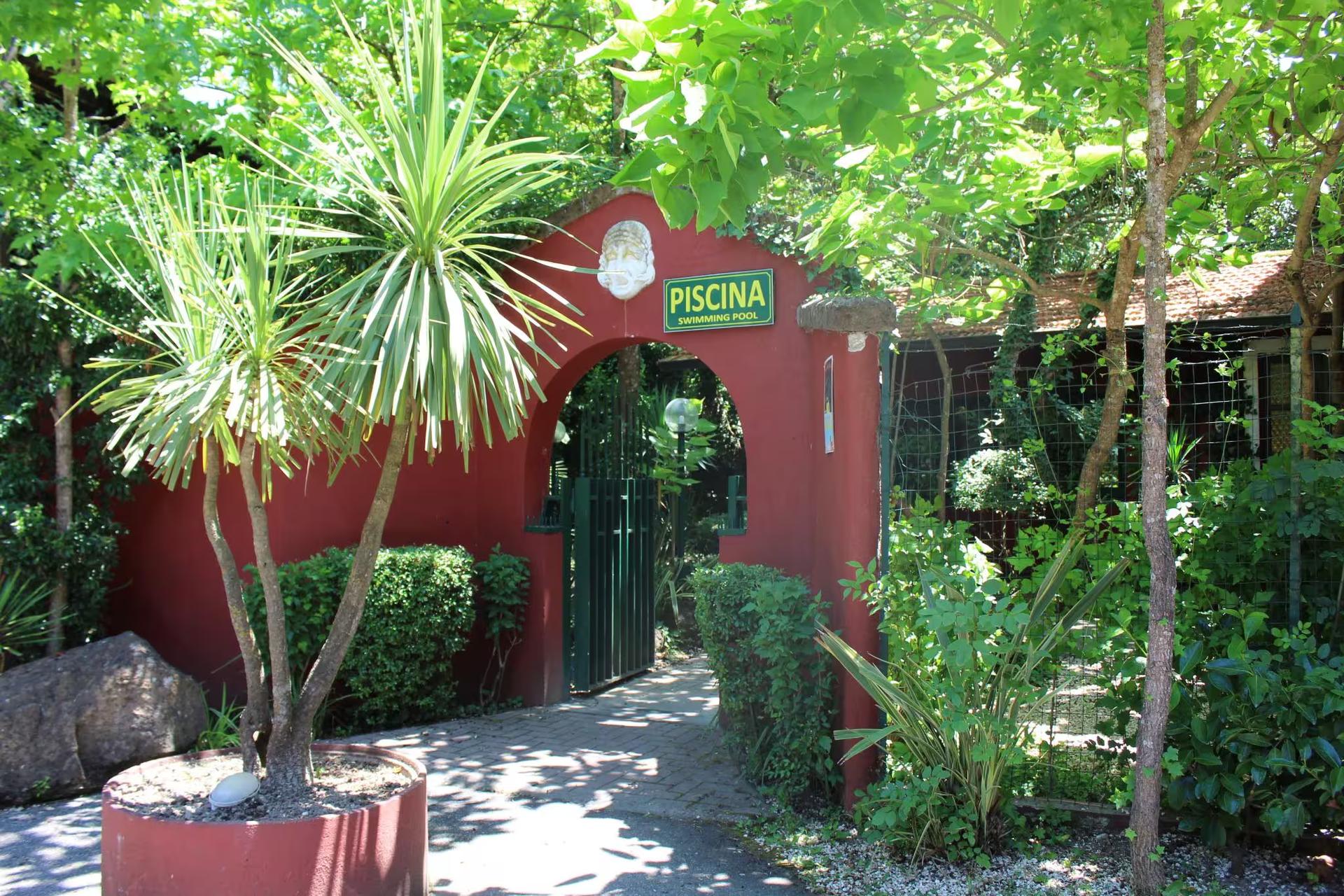 Room Only
£89pp
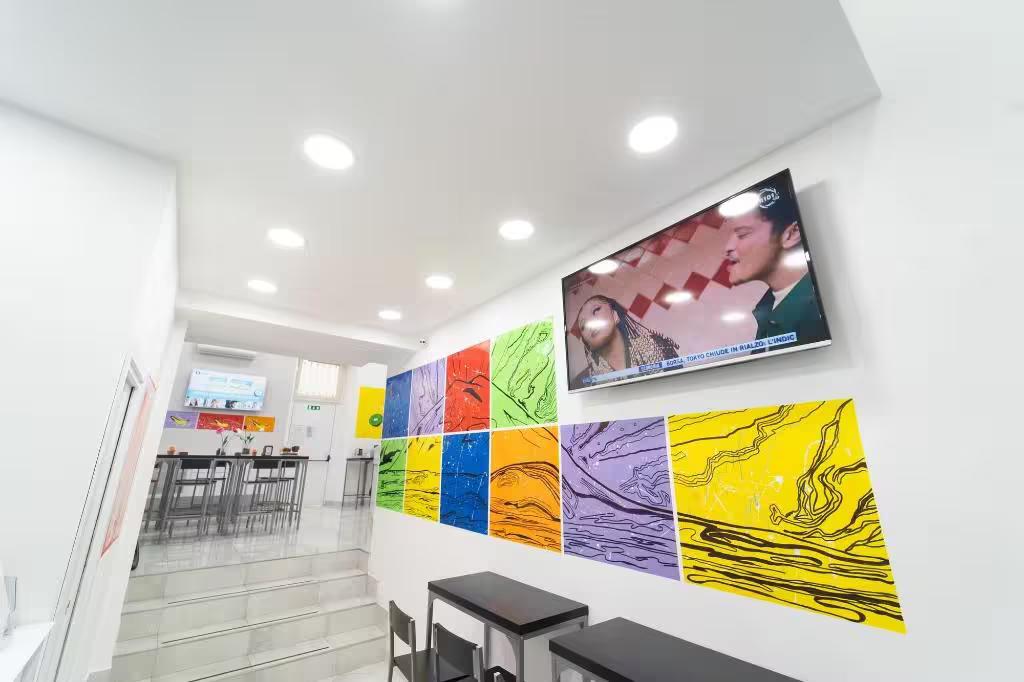 Room Only
Napoli, Naples
£89pp
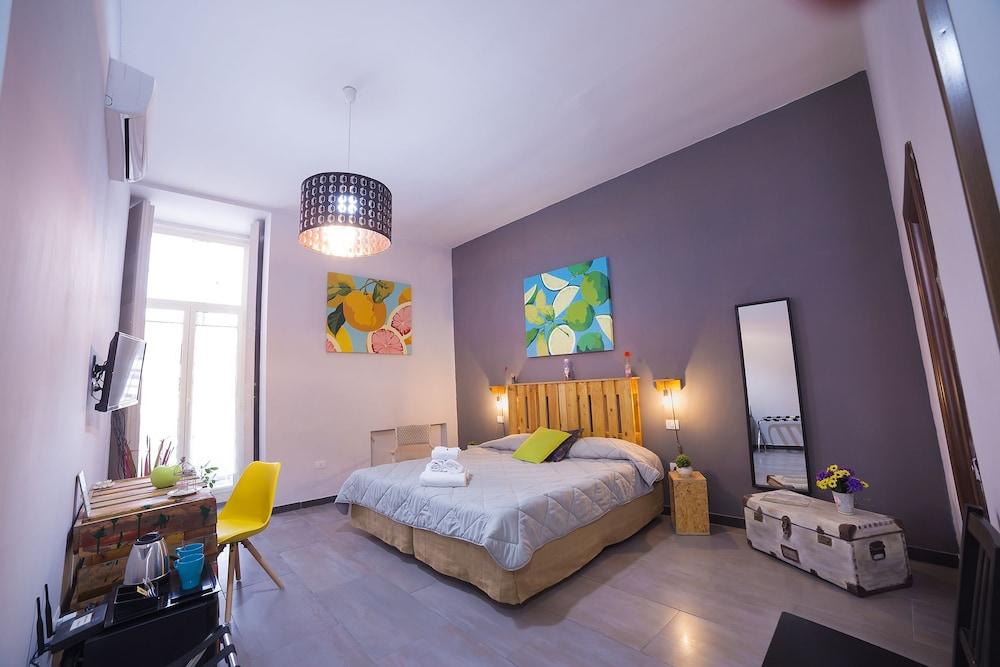 Room Only
Napoli, Naples
£89pp
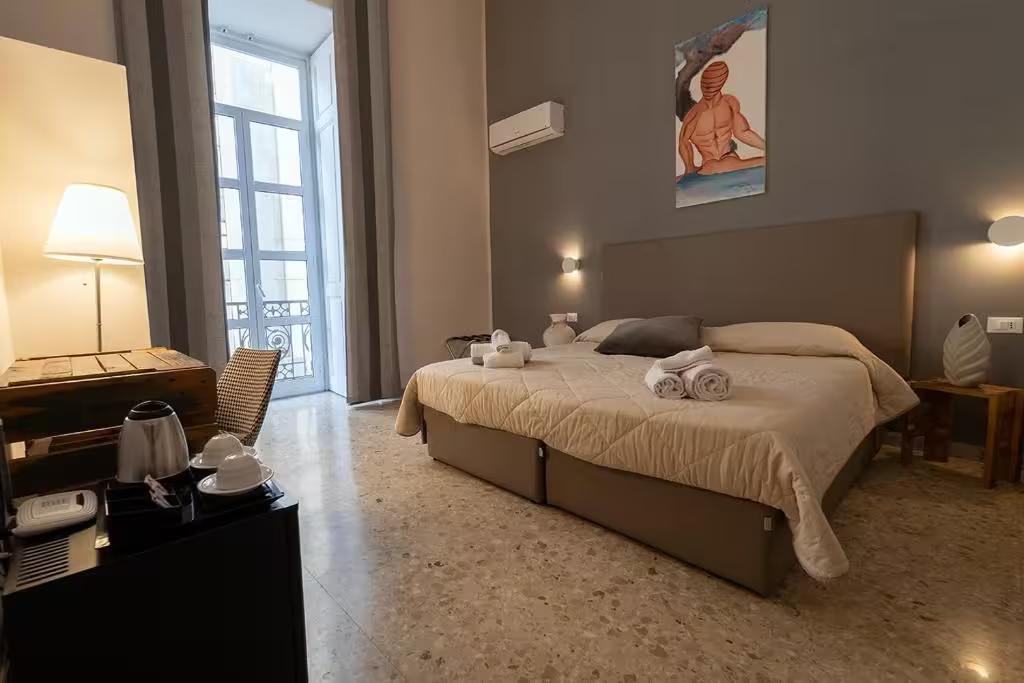 Room Only
Napoli, Naples
£89pp
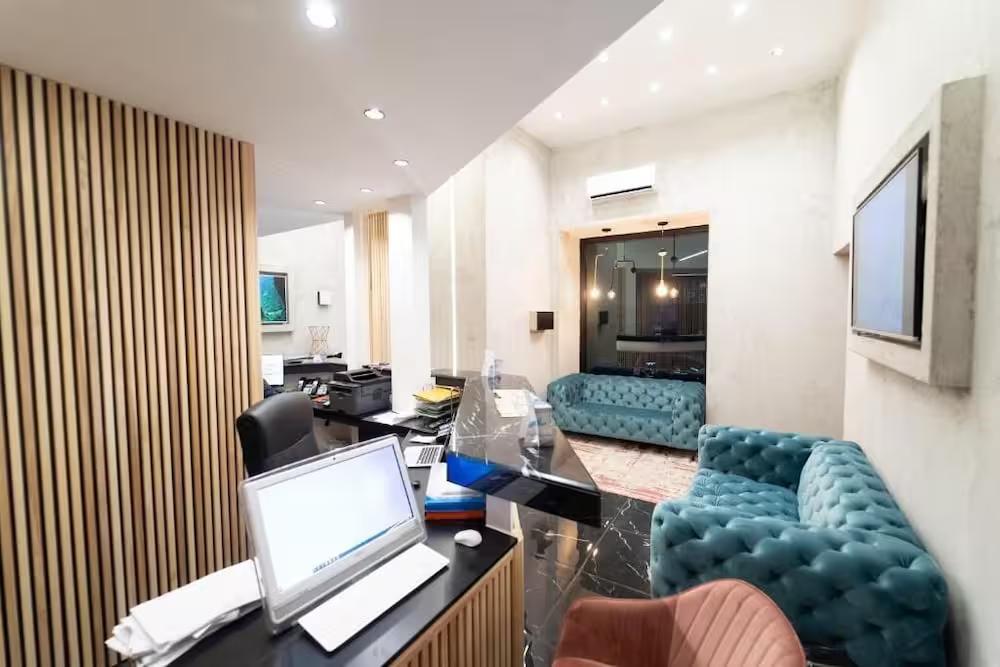 Room Only
£89pp
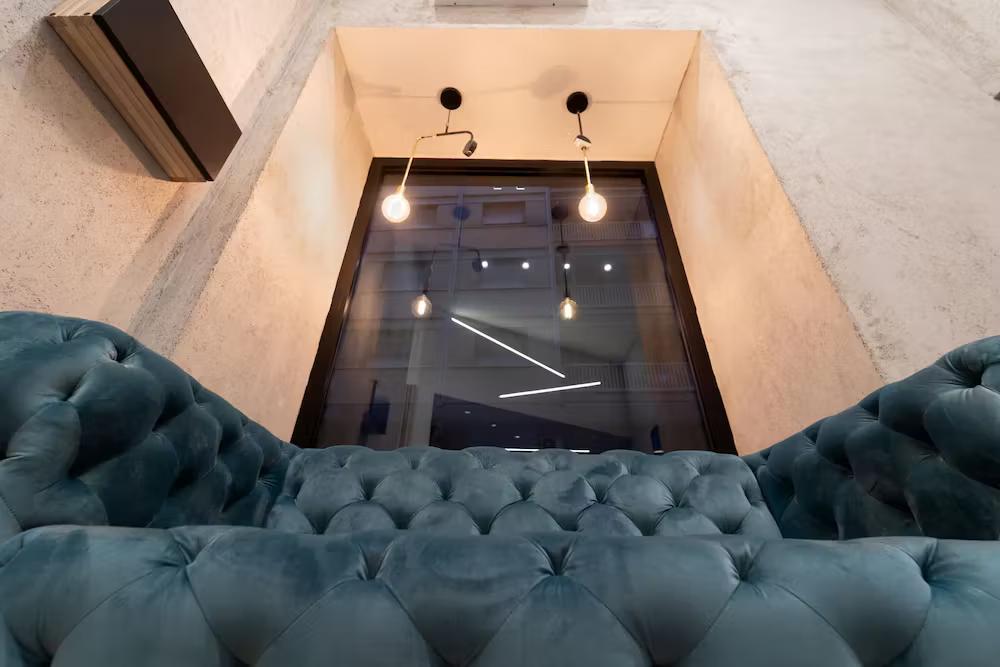 Room Only
£89pp

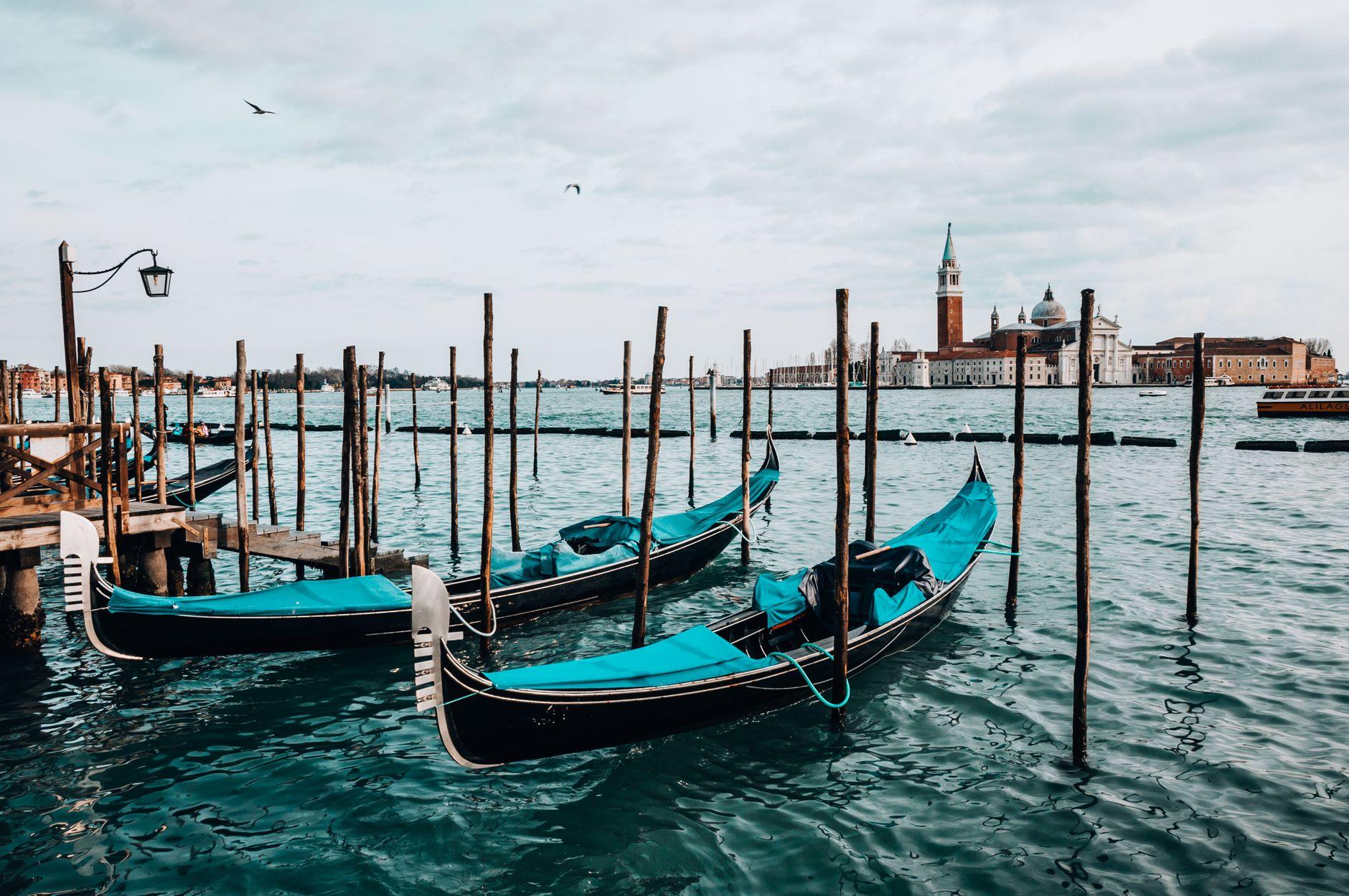
Venice has no cars, so the city moves on foot, by vaporetto and by gondola. This gives the centre an unhurried rhythm that few European cities can match. Evenings feel especially calm once the day-trippers have gone home.

The Accademia Gallery holds major Venetian Renaissance paintings, including works by Titian. The Doge's Palace, a Gothic seat of government, adds further treasures within a short walk of the square. Few cities pack this much art into such a compact area.

Murano, Burano and Torcello are all reached by vaporetto, each with its own character. Murano is known for glassmaking and Burano for lace and painted houses. Torcello is the quietest of the group and holds a 7th-century cathedral.

Chioggia, a fishing town at the southern end of the lagoon, is a good half-day excursion. Lido offers sandy beaches only about 10 to 15 minutes away by boat. You can cover a surprising range of scenery without leaving the lagoon.

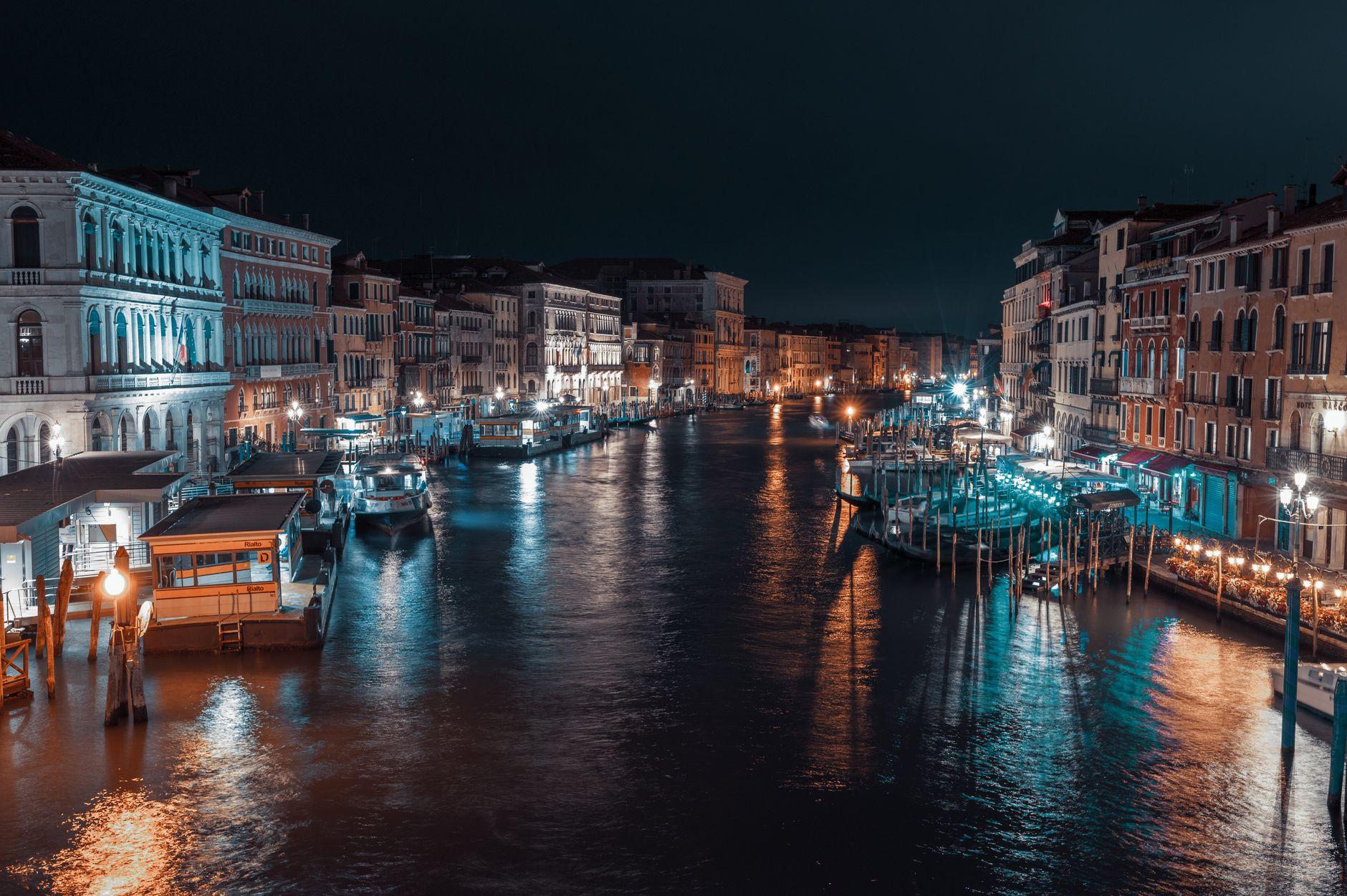
The Grand Canal runs roughly 3.8 km in an S-shape, lined with palaces and crossed by the Rialto Bridge. Line 1 of the vaporetto network runs its full length, giving an affordable view of the waterfront. Gondolas offer a more romantic alternative after dark.

The city changes noticeably from one season to the next. Spring and autumn offer pleasant temperatures, while the February Carnival fills the streets with costume. Winter brings quieter canals and a softer light across the water.
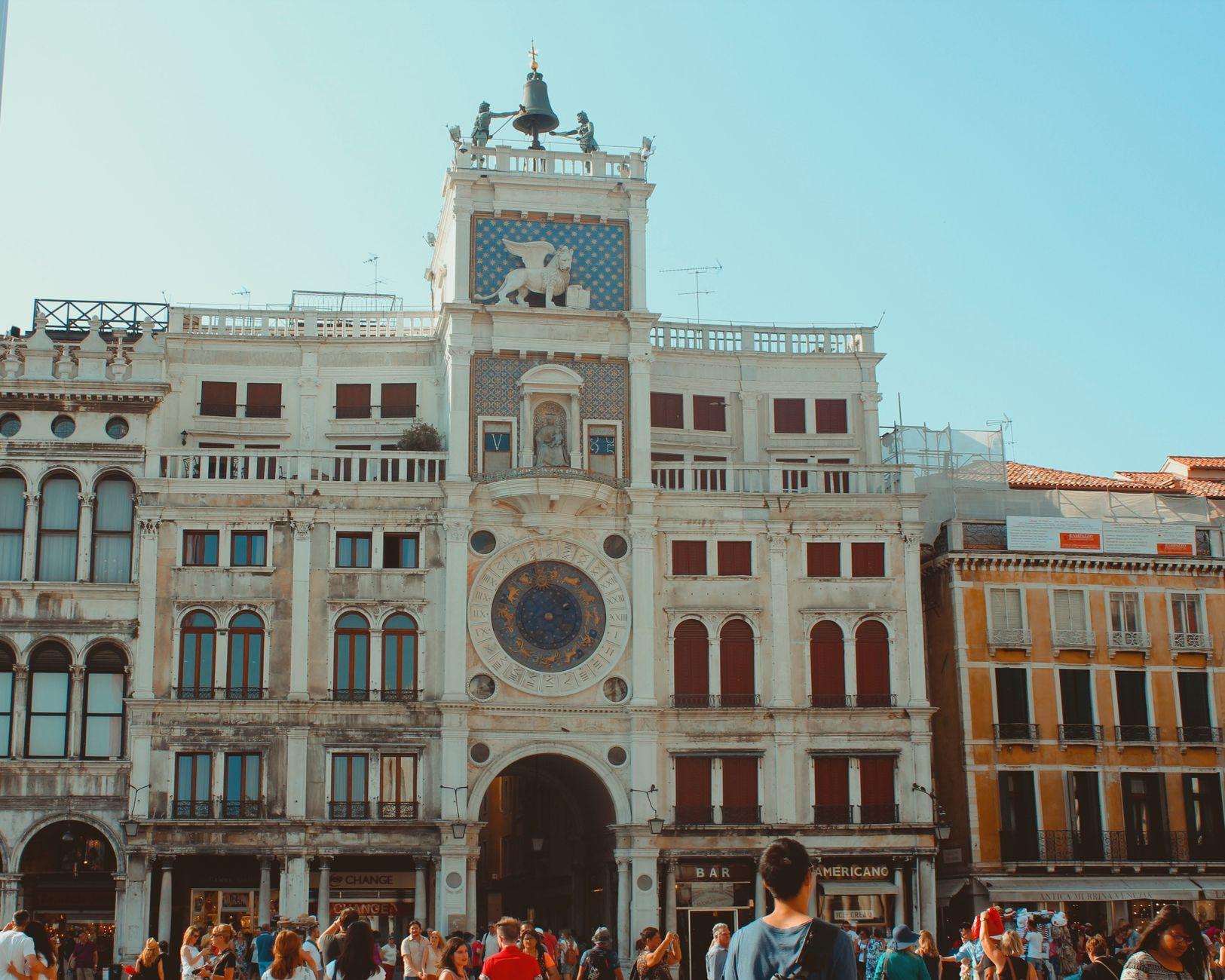
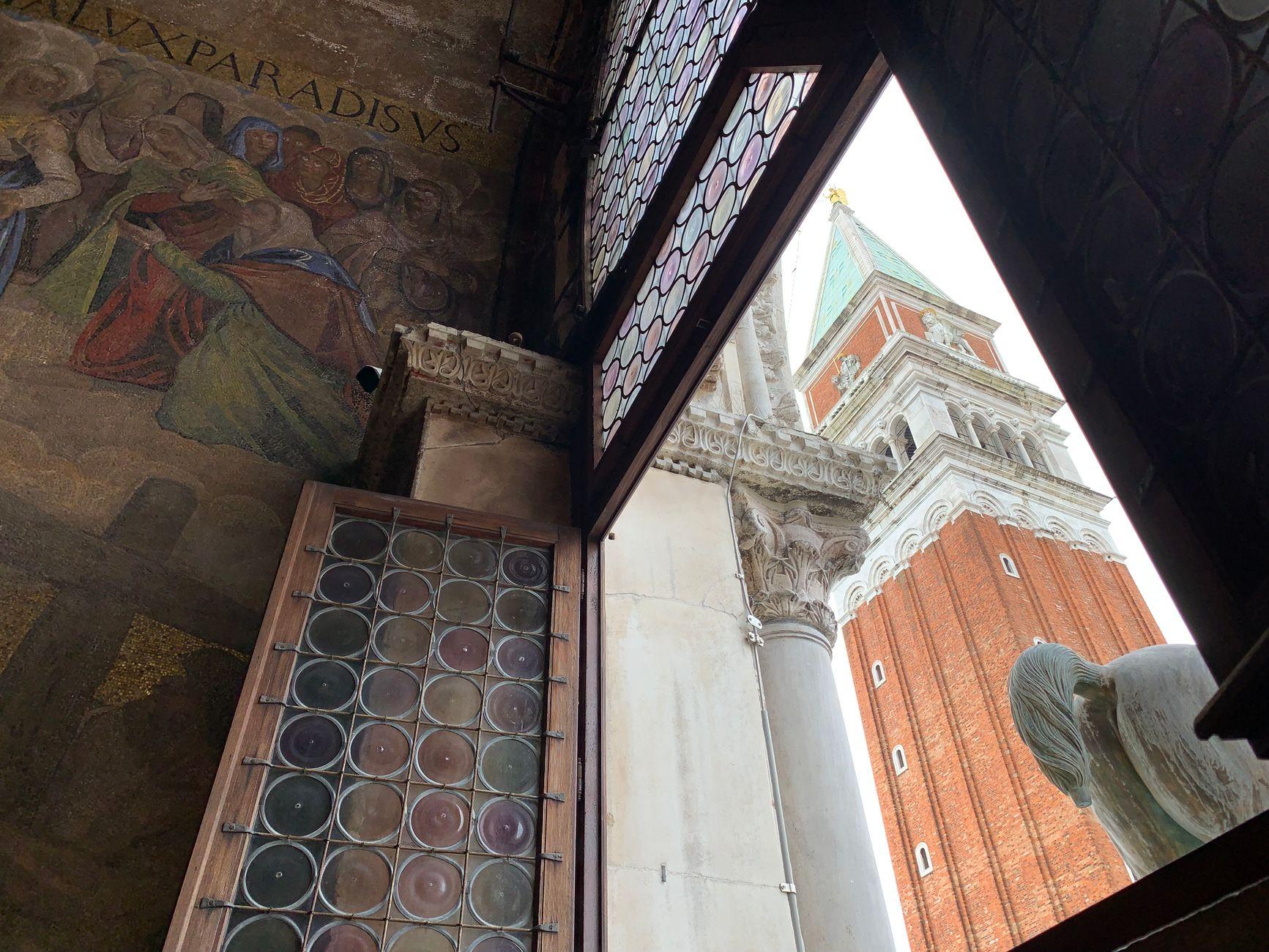
The most visited areas of Venice sit close to the main landmarks and suit first-time visitors on a short stay.
The lagoon islands are reached by boat and offer contrasting character, from glassmaking workshops to painted houses.
Spring and autumn are generally considered the best seasons, offering mild temperatures and fewer visitors than the peak summer months. The Carnival in February is a popular draw, though it brings large crowds and higher prices. Winter is quieter but can be damp, and high tide flooding is more frequent in the colder months. Choosing your dates depends on whether you prioritise crowds, weather or festivals.
Check out some of our most popular Italy destinations and holiday types
Weekly in your inbox — handpicked package deals and price drops before they sell out.
Our Privacy Policy