Destination(s) or Hotel name
ItalyDeparture Airport
Any AirportDeparture Date
Rooms & Guests
Italy Holidays

UTC +02:00
Euro
Italian
A country of city-states
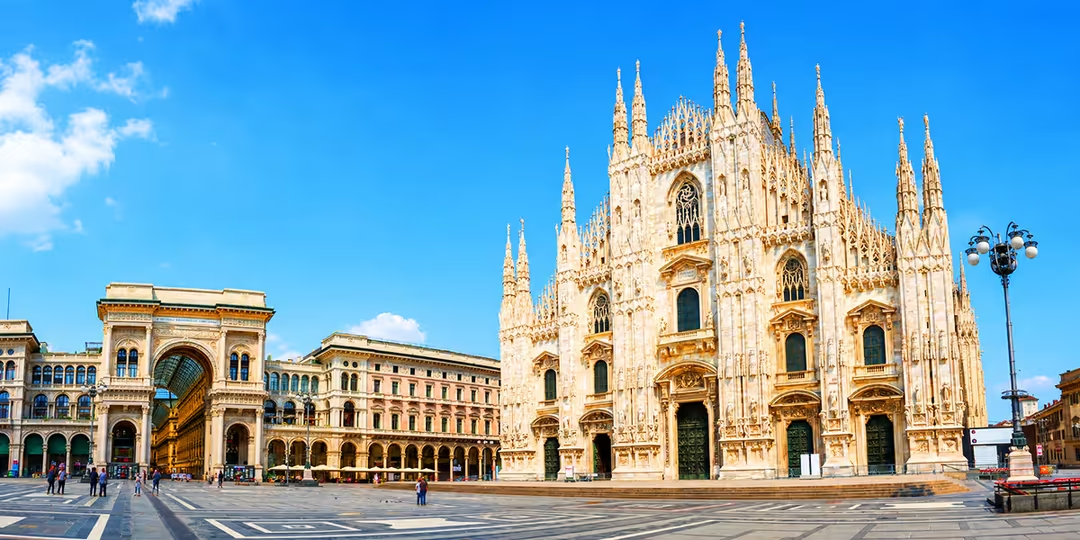
Rome, Florence, Venice, Naples, and Milan each ran as independent powers for centuries, so each keeps its own architecture, dialect, and cooking rather than a single national style.

World-leading heritage
Italy holds close to 60 UNESCO World Heritage Sites, more than any other nation on earth, from the Colosseum to the trulli houses of Alberobello.

Coast and islands in quantity
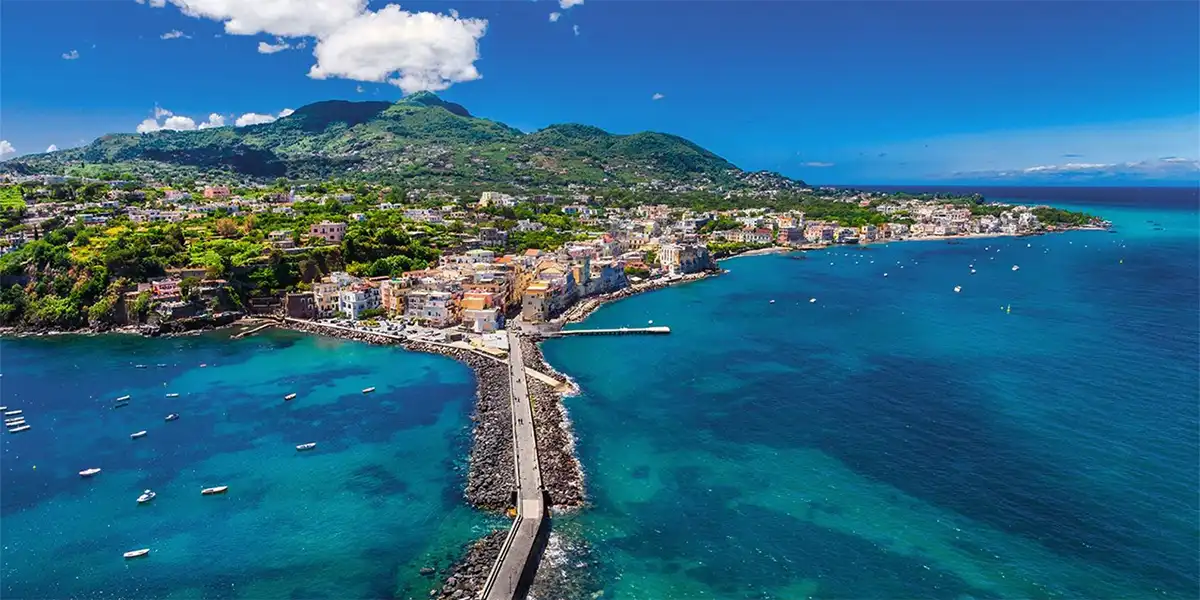
The mainland has around 7,500 km of coastline, plus Sicily and Sardinia — the two largest islands in the Mediterranean — for beach stays that rival anywhere in Europe.

Food that changes every 50 km
Regional cooking is taken seriously — Naples for pizza, Bologna for ragù, Sicily for cannoli and granita. Crossing a regional border genuinely changes what arrives at the table.

Choice of arrival airports
More than 30 Italian airports take UK flights, so you can land close to wherever you're based — Pisa for Tuscany, Catania for Sicily, Olbia for north Sardinia — instead of a long onward transfer.

Mountains, lakes, and sea in one trip
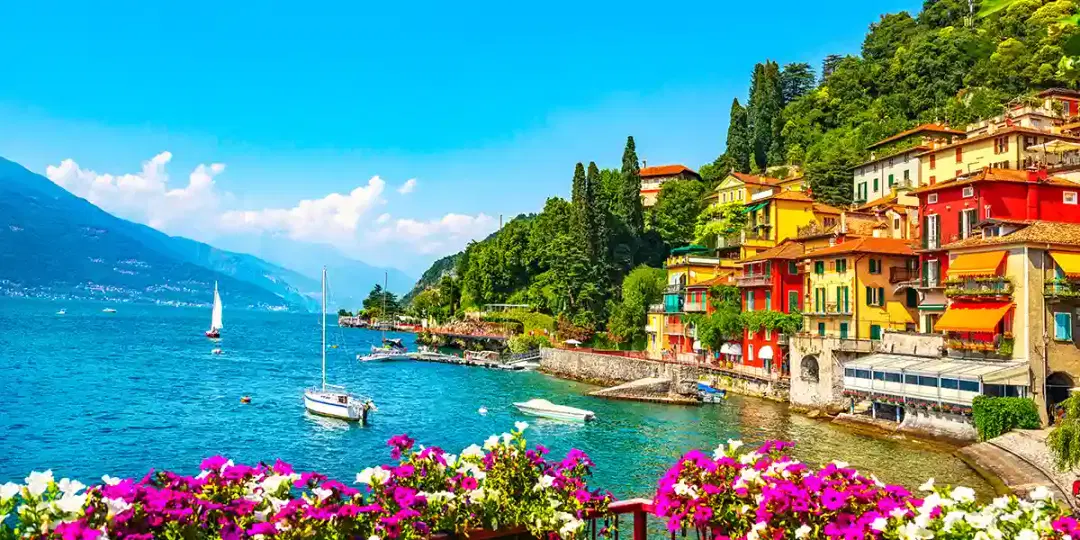
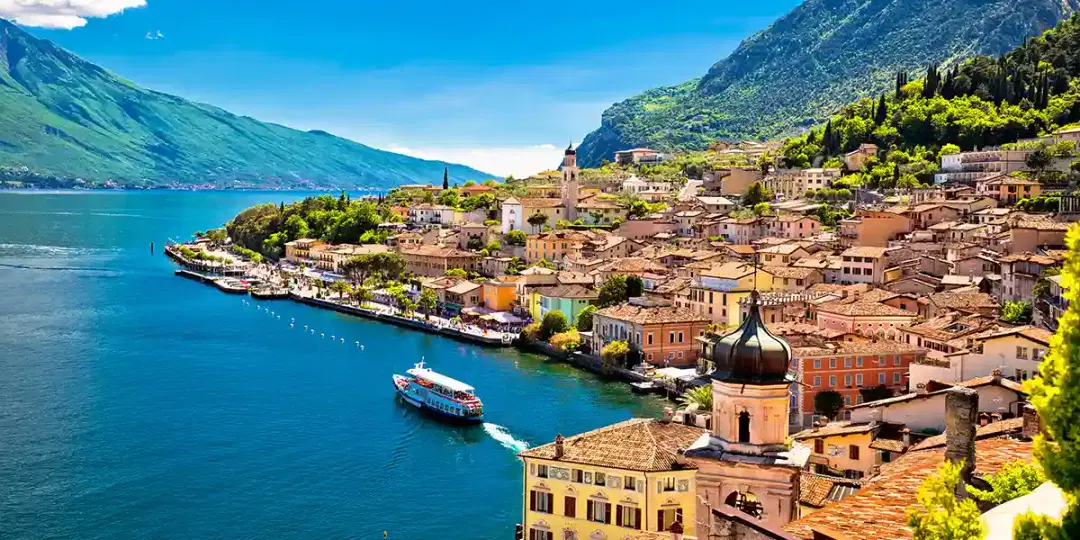
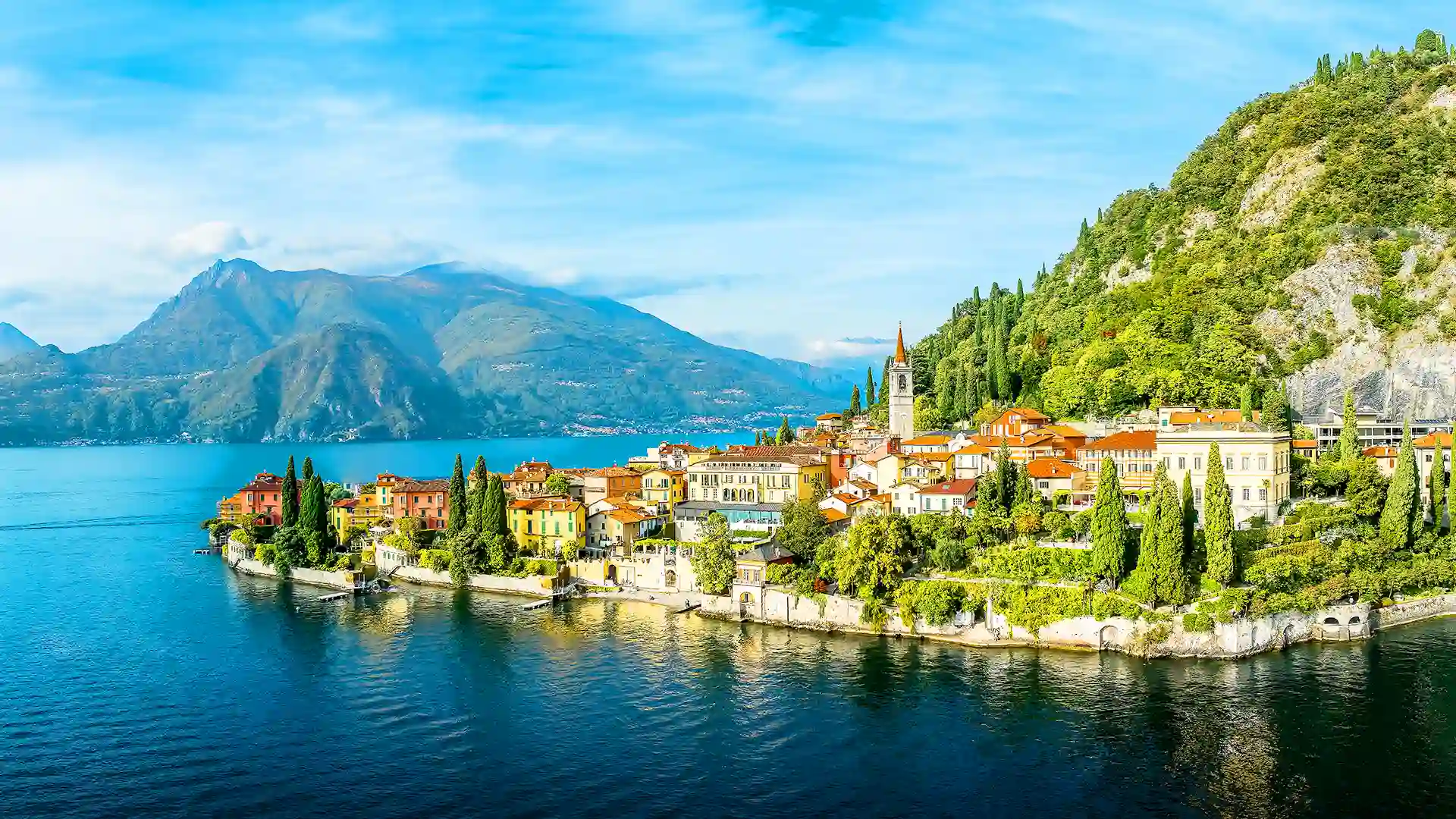
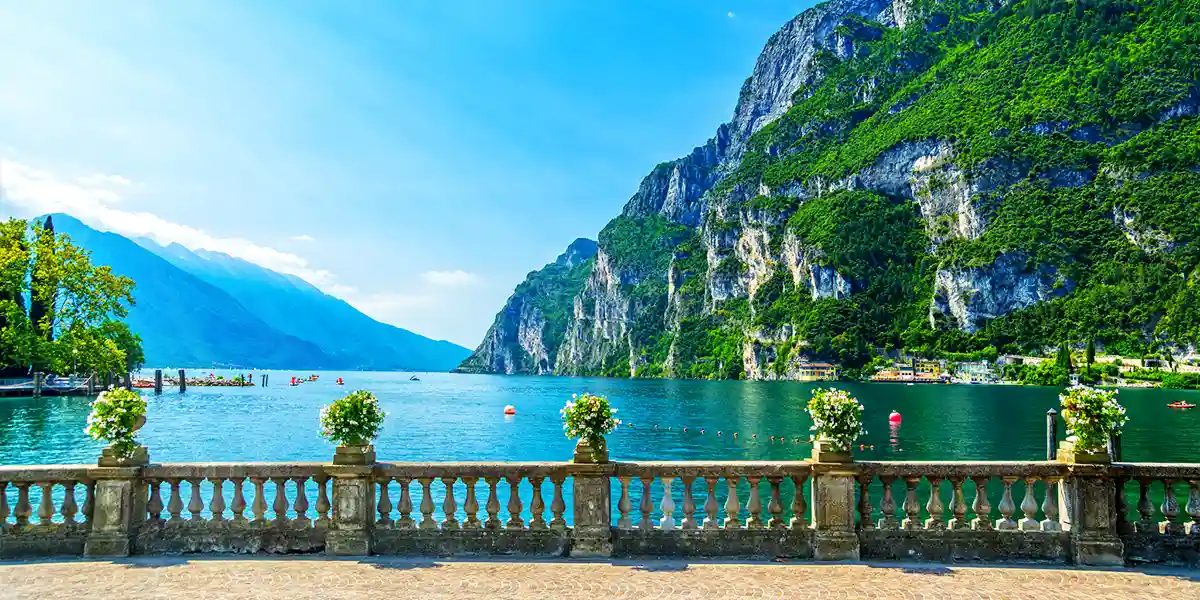
The north alone packs the Dolomites, glacial lakes like Garda and Como, and the Ligurian coast within a few hours' drive, so you can mix alpine and beach scenery in a single week.
Why Choose Italy
Dining & Local Hotspots
Perfect Holiday Destination
Travelodeal Travel Tips

Italy breaks down into a handful of distinct trip types, and the right base depends entirely on which one you're after.
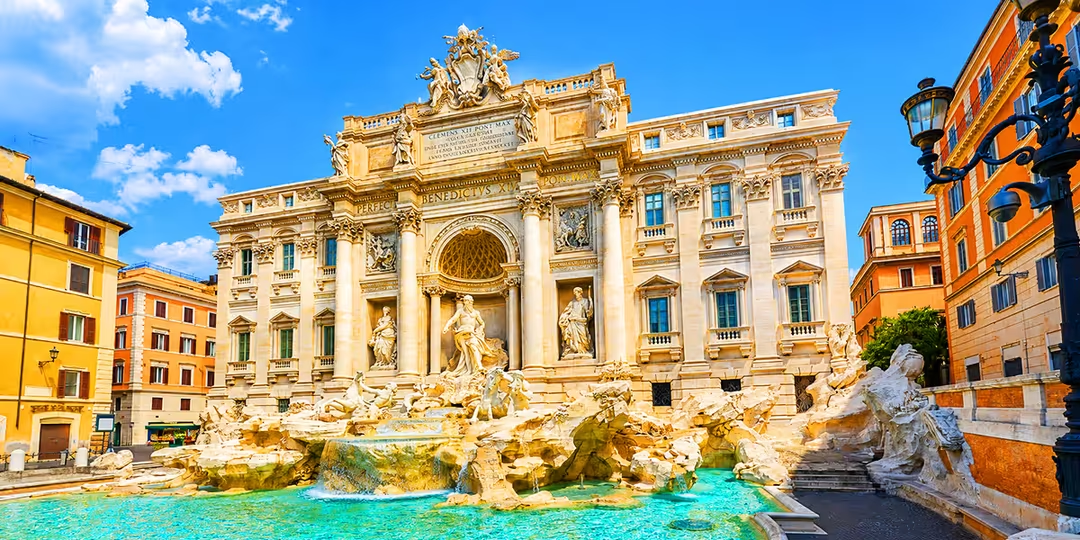
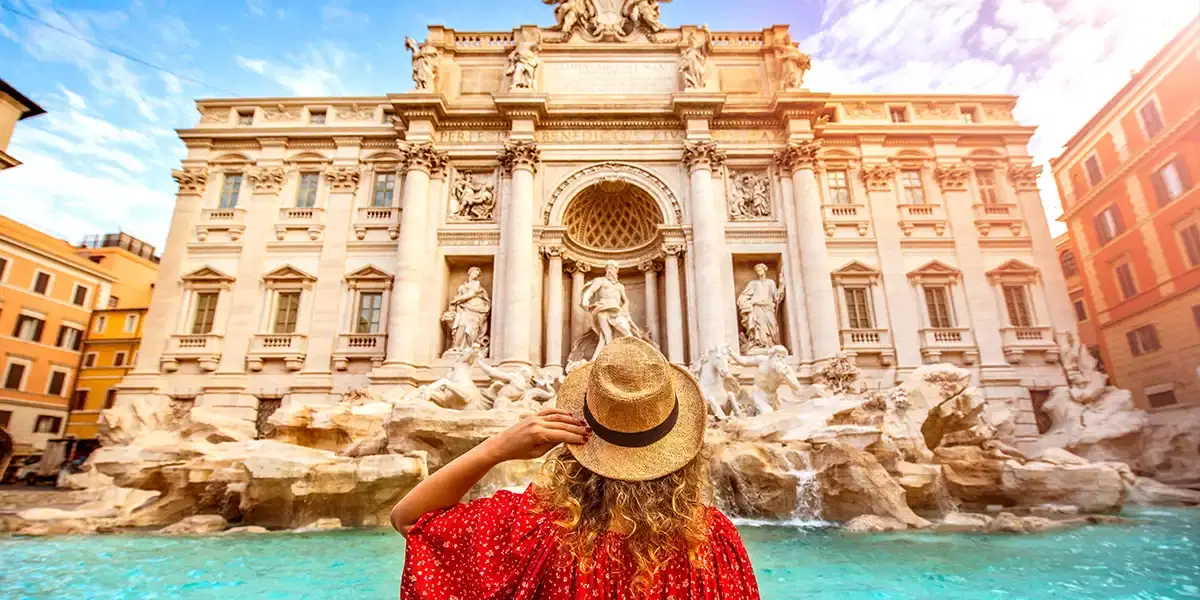
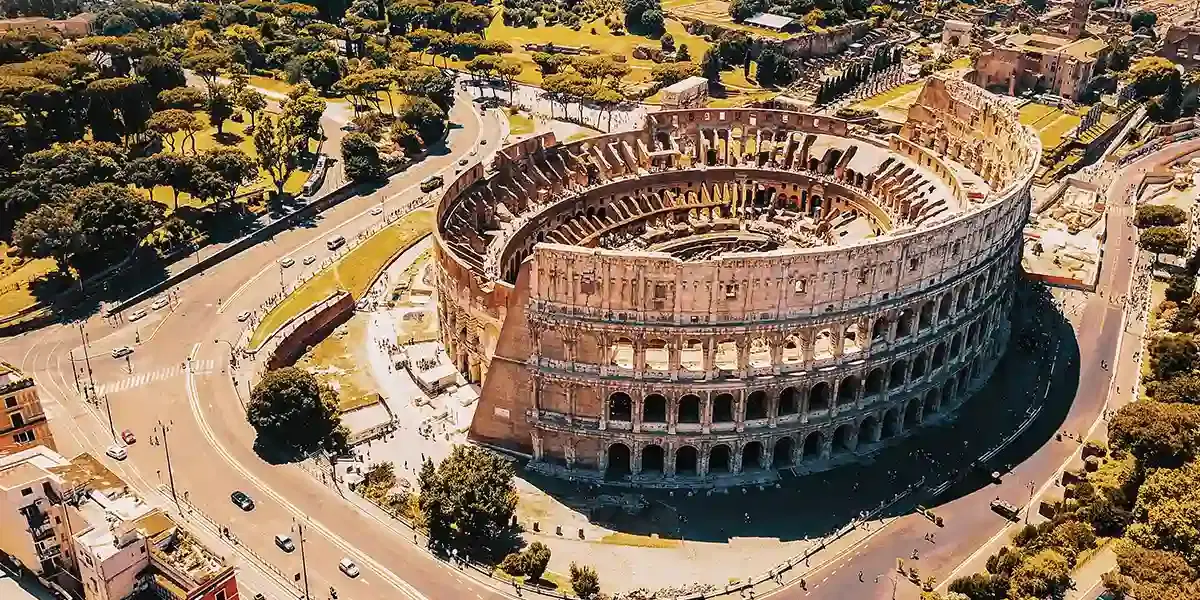
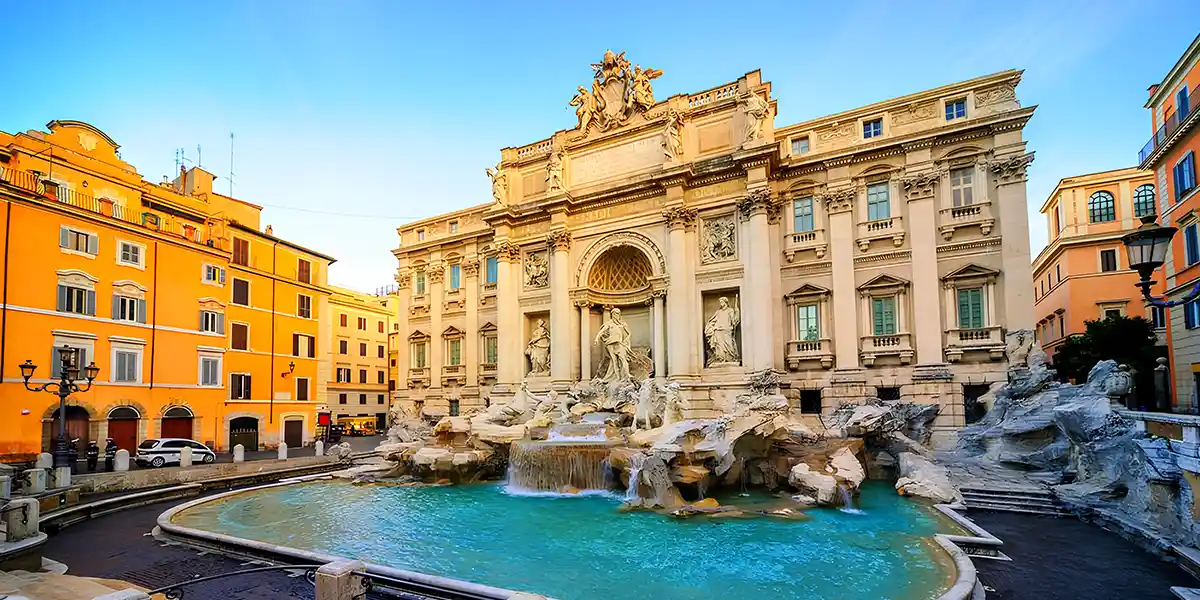
Rome: The capital works as a three- or four-night base in its own right, with the Colosseum, Vatican Museums, Pantheon, and Trastevere's evening squares within walking or short-metro distance. City-focused Rome holidays suit first-timers and anyone wanting maximum sights per day. Book Colosseum and Vatican slots online ahead of time — turning up without a timed ticket can cost two hours in queues over summer.
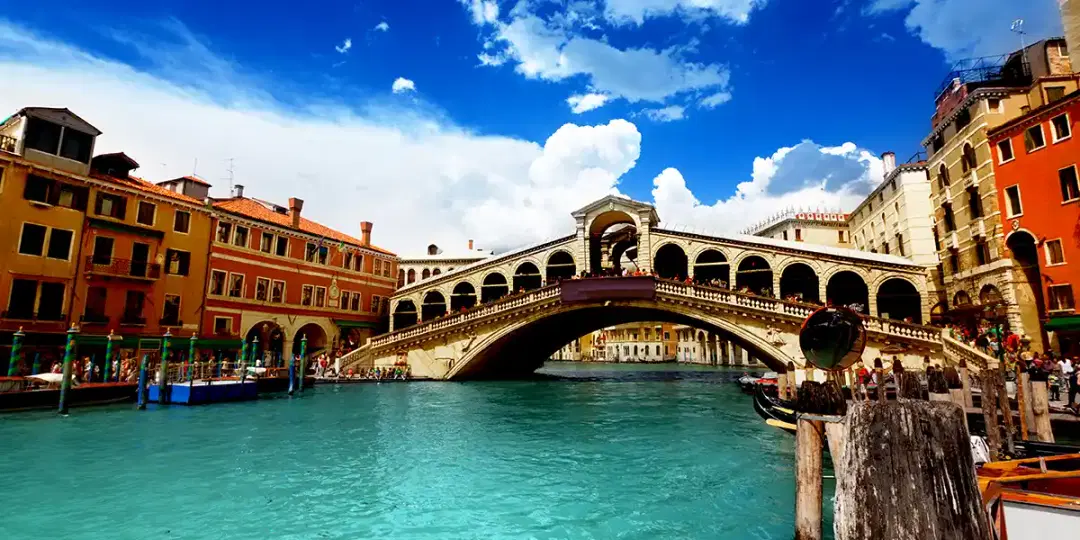
Venice: Built across more than 100 islands in a lagoon, Venice is best given two nights minimum to see it beyond the day-trip crush — St Mark's Basilica, the Grand Canal, and the quieter Cannaregio district. Couples booking Venice holidays often pair it with Verona or the Dolomites an hour or two north. Staying overnight is what unlocks the city — at dawn and after the late trains pull the day-trippers out, the side canals go genuinely silent.
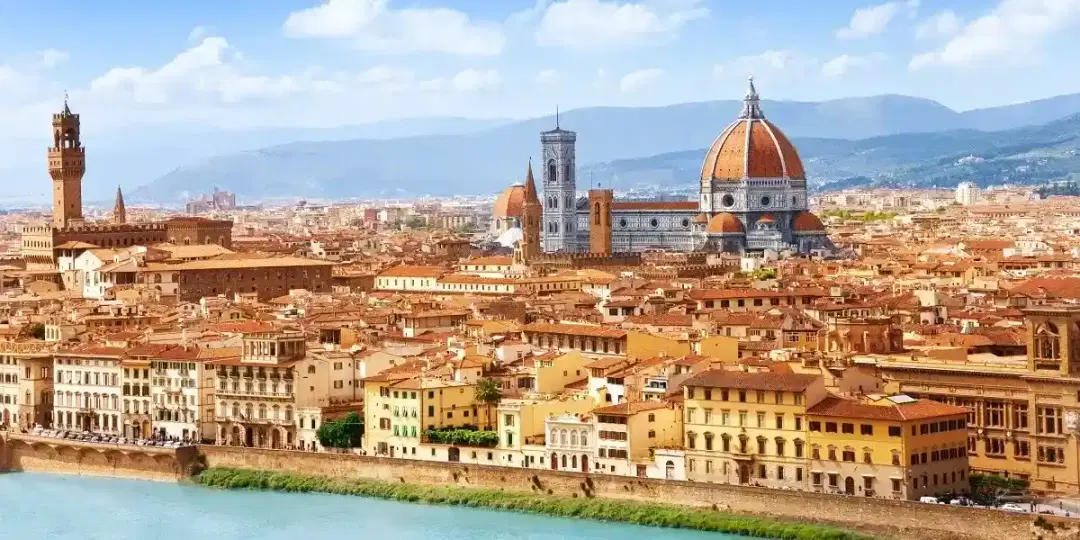
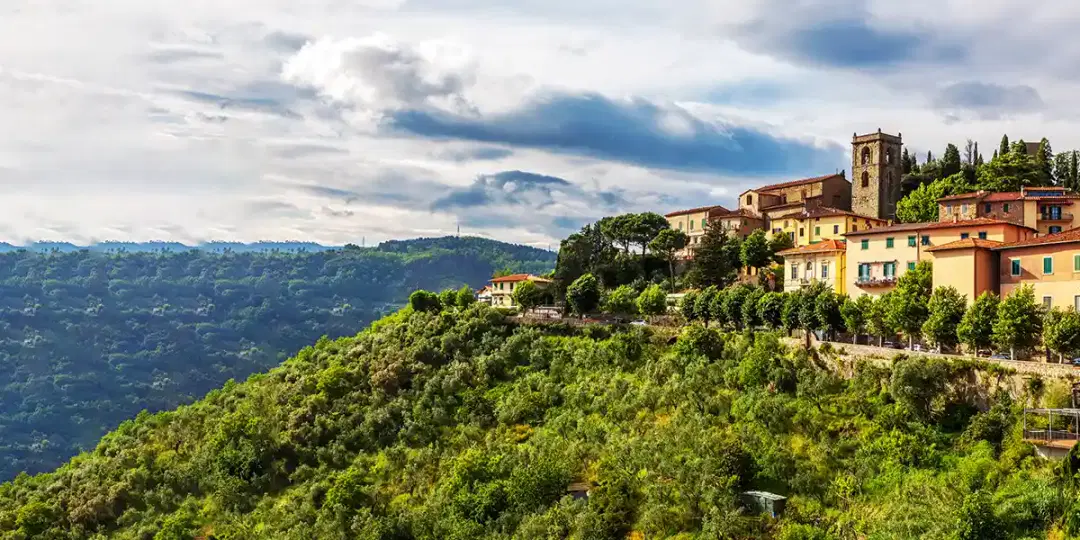
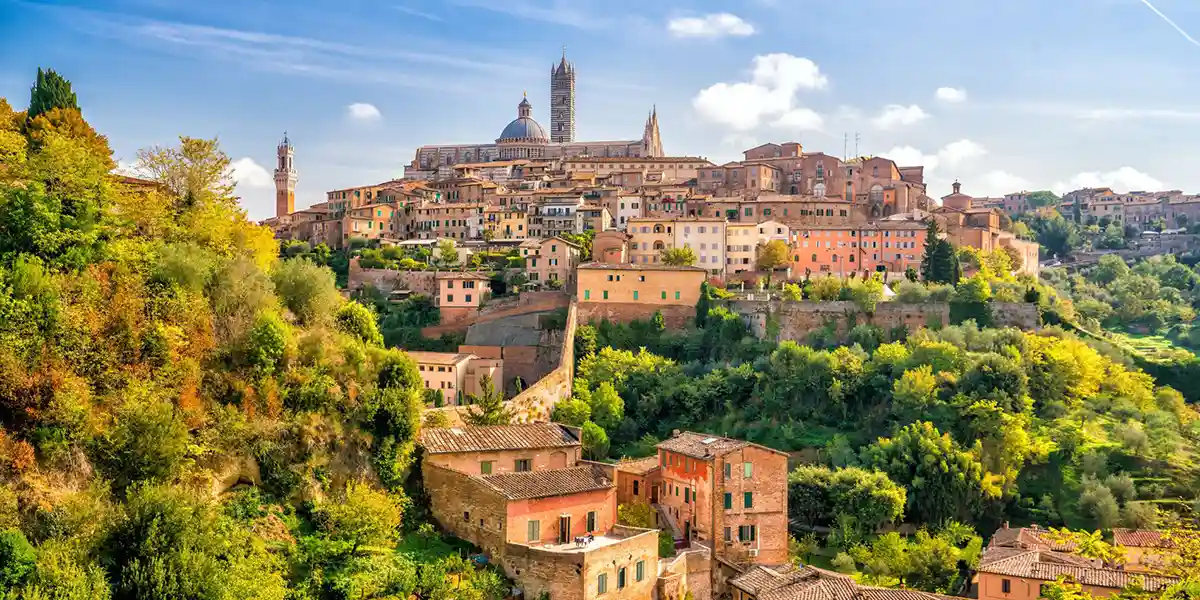
Florence: Tuscany's capital concentrates the Renaissance into a compact, walkable centre, with the Uffizi, Duomo, and Ponte Vecchio minutes apart. Art-led Florence holidays double as a springboard into the Chianti vineyards and hill towns like Siena and San Gimignano. The Uffizi and the Accademia (home to Michelangelo's David) both run timed entry, and the climb up Brunelleschi's Duomo dome needs booking weeks ahead in summer.
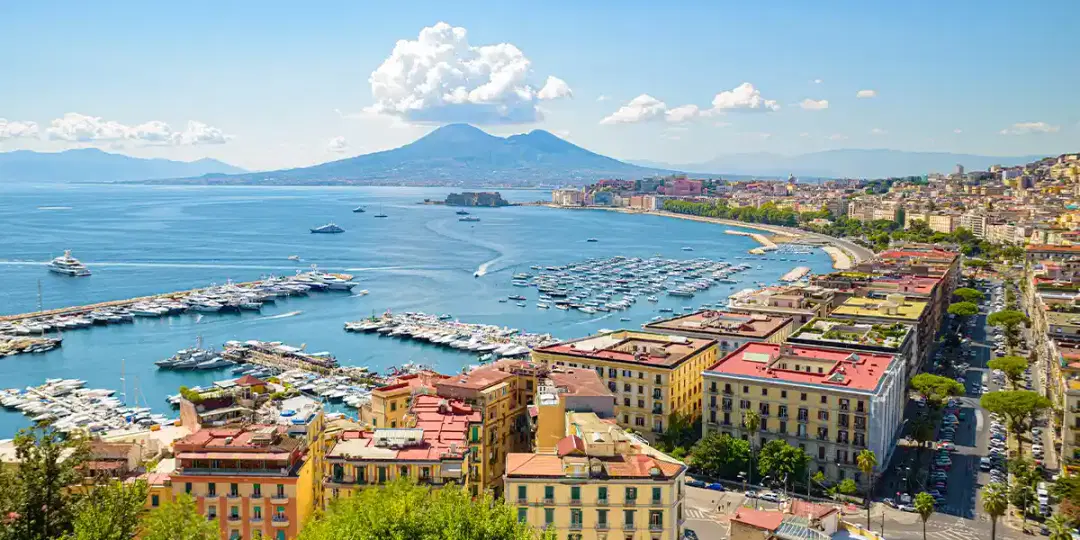
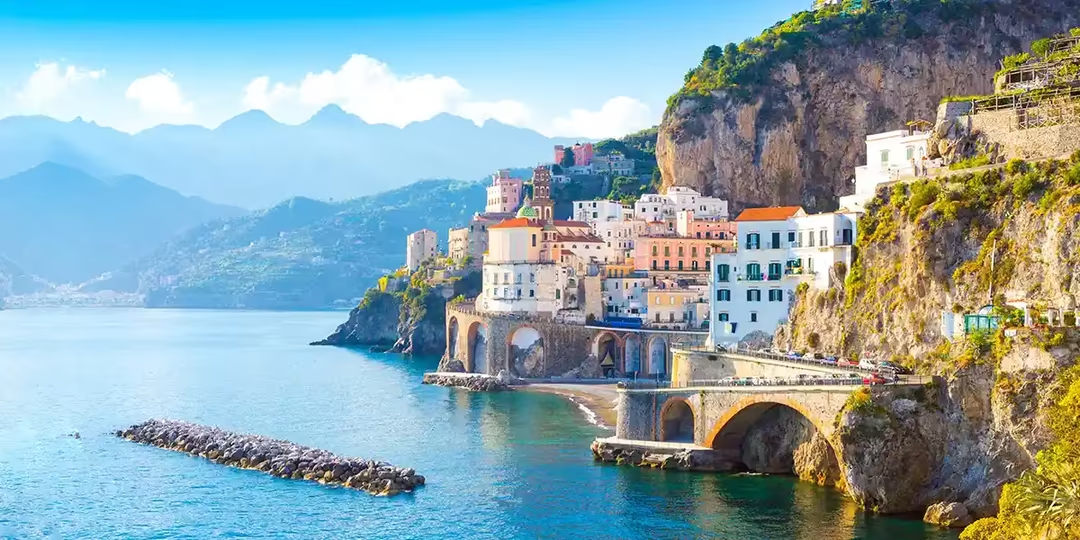
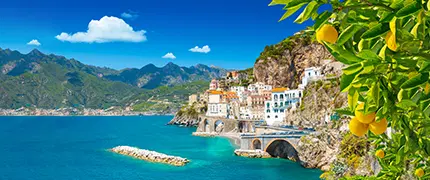
Sorrento & the Amalfi Coast: A clifftop town above the Bay of Naples, Sorrento makes the natural base for Pompeii, Capri, and the Amalfi drive. Coast-and-culture Sorrento holidays suit couples and families who want sea views without a beach-resort feel. The Circumvesuviana train links the town straight to Pompeii and Naples, so you can sightsee without taking a hire car onto the narrow coast road.
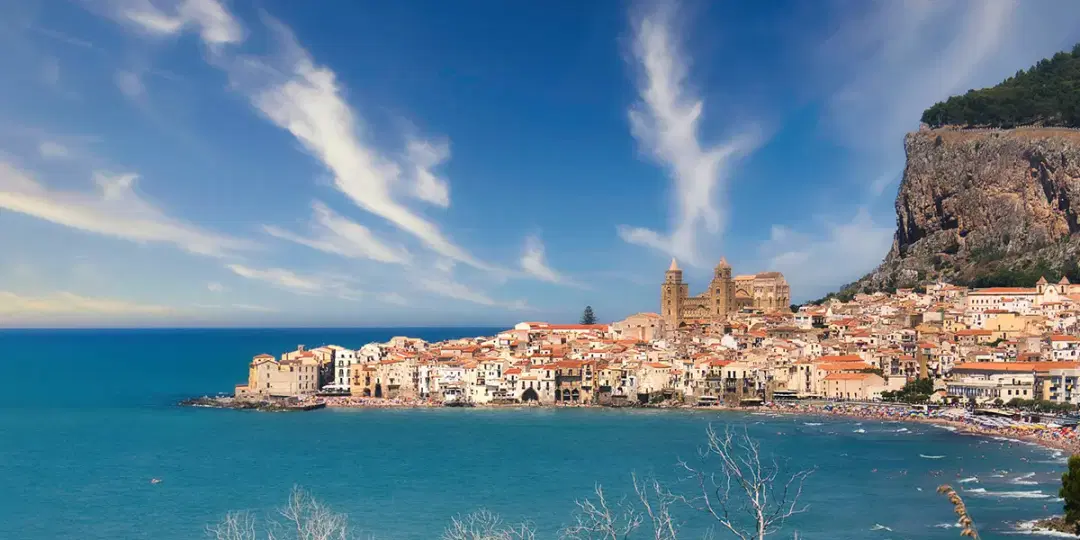
Sicily: The largest Mediterranean island carries Greek temples at Agrigento, the Mount Etna volcano, and Baroque towns like Noto and Ragusa, alongside proper beaches. Touring Sicily holidays reward anyone happy to hire a car and cover ground. Distances are real — Palermo to Taormina runs about three hours, so most travellers split the island into a west and an east base rather than driving back and forth from one hotel.
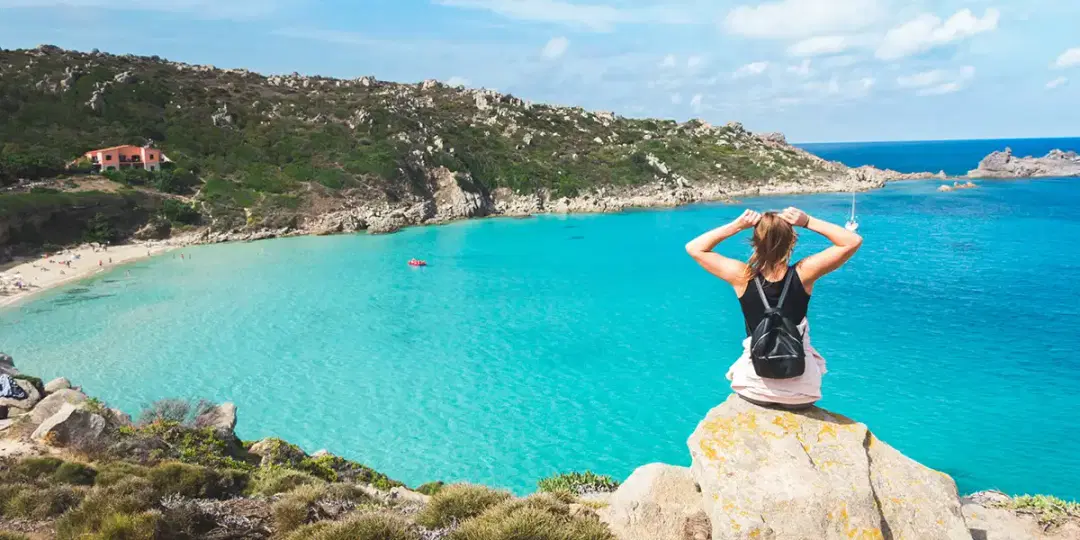
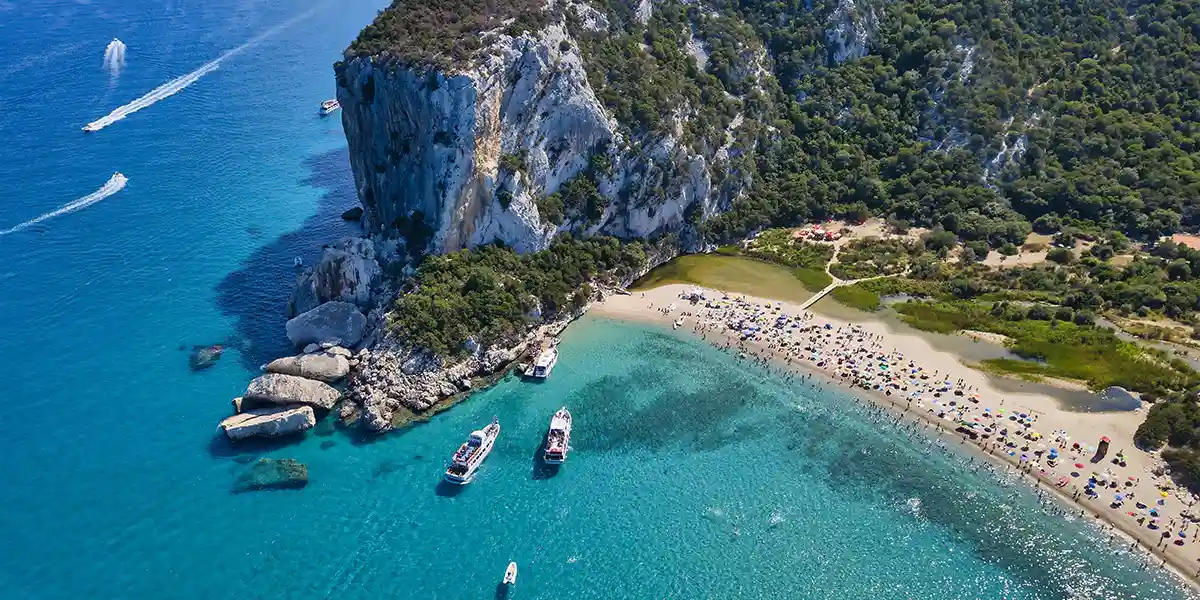
Sardinia: Known for the white-sand beaches and clear water of the Costa Smeralda and Cala Gonone, Sardinia leans more beach-holiday than the cultural mainland. Resort-based Sardinia holidays work well for families wanting Caribbean-style water a short flight from the UK. The north around Olbia and the Costa Smeralda is the polished, pricier end, while the east coast near Cala Gonone and the south around Chia give you the same water for less.

Beyond the headline cities, Italy gives you ruins, volcanoes, vineyards, and a calendar of events worth planning around.
Ancient Rome & Pompeii: The Colosseum and Roman Forum cover imperial Rome, while Pompeii and Herculaneum near Naples preserve entire Roman towns frozen by Vesuvius in AD 79. Both are full-day visits. Herculaneum is smaller and better preserved than Pompeii, and far quieter, which makes it the better pick if you're short on time or travelling with restless kids.
Climb a live volcano: Mount Etna in Sicily (around 3,300 m and still active) and Vesuvius above Naples both run guided summit walks, with cable-car or 4x4 access partway up. Etna's lower craters are an easy walk for most fitness levels; the true summit needs a licensed guide and can close at short notice on activity.
Wine country: Chianti between Florence and Siena, Barolo in Piedmont, and the Prosecco hills near Venice all run cellar visits and tastings, most reachable on a half-day from a city base. A driver or small-group tour is worth it if everyone wants to taste rather than nominate a designated driver.
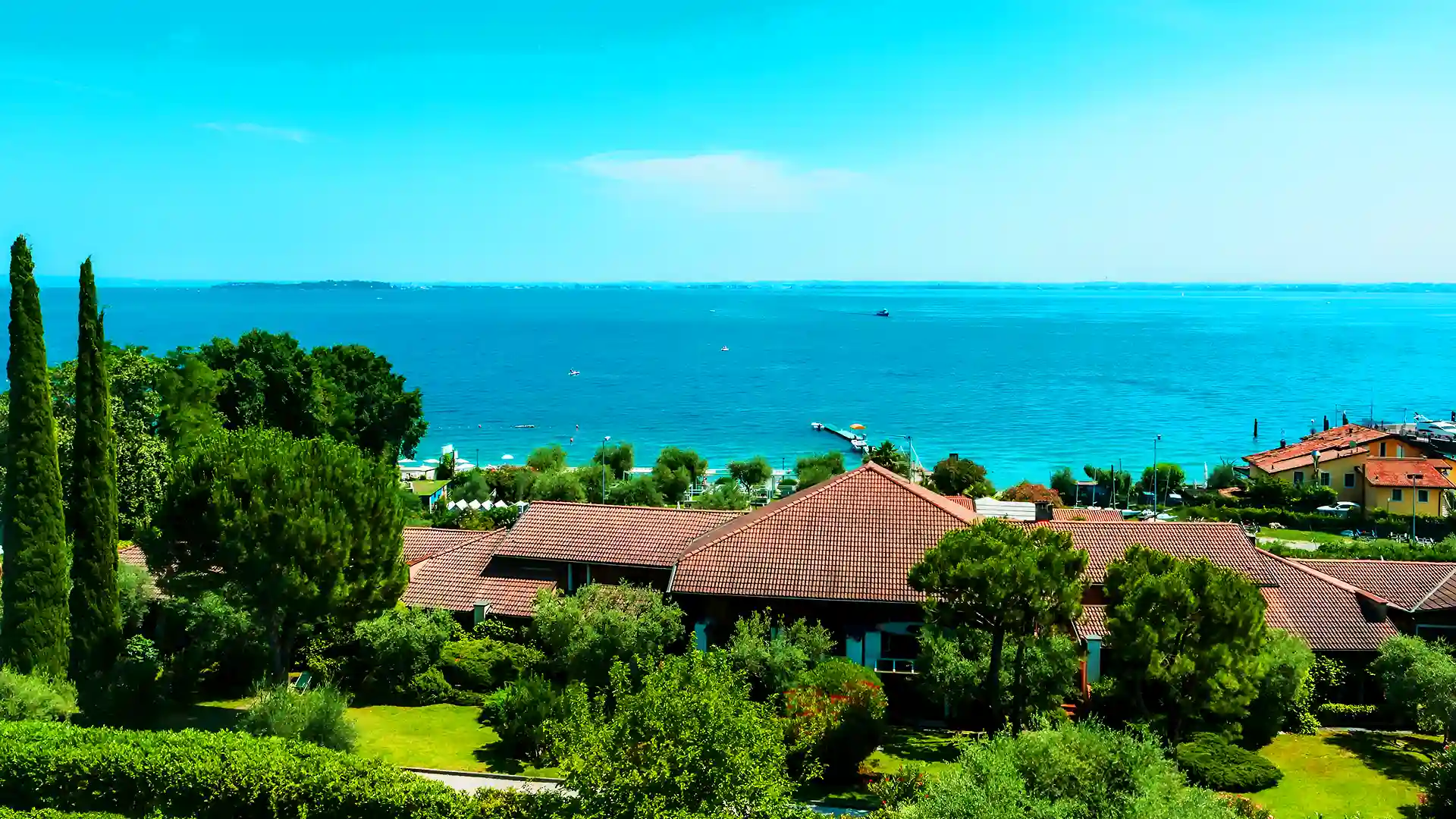
Lakes and the Dolomites: Lake Garda has waterparks and windsurfing, and the Dolomites offer cable cars and marked walking trails through summer — both work for a cooler-weather day out.
Festivals worth timing a trip around: From Venice Carnevale in February to Siena's Palio horse race (2 July and 16 August) and Verona's summer opera season, festivals in Italy can be the reason to pick your dates.
Check out some of our most popular destinations