Weather in Santorini in January Holidays


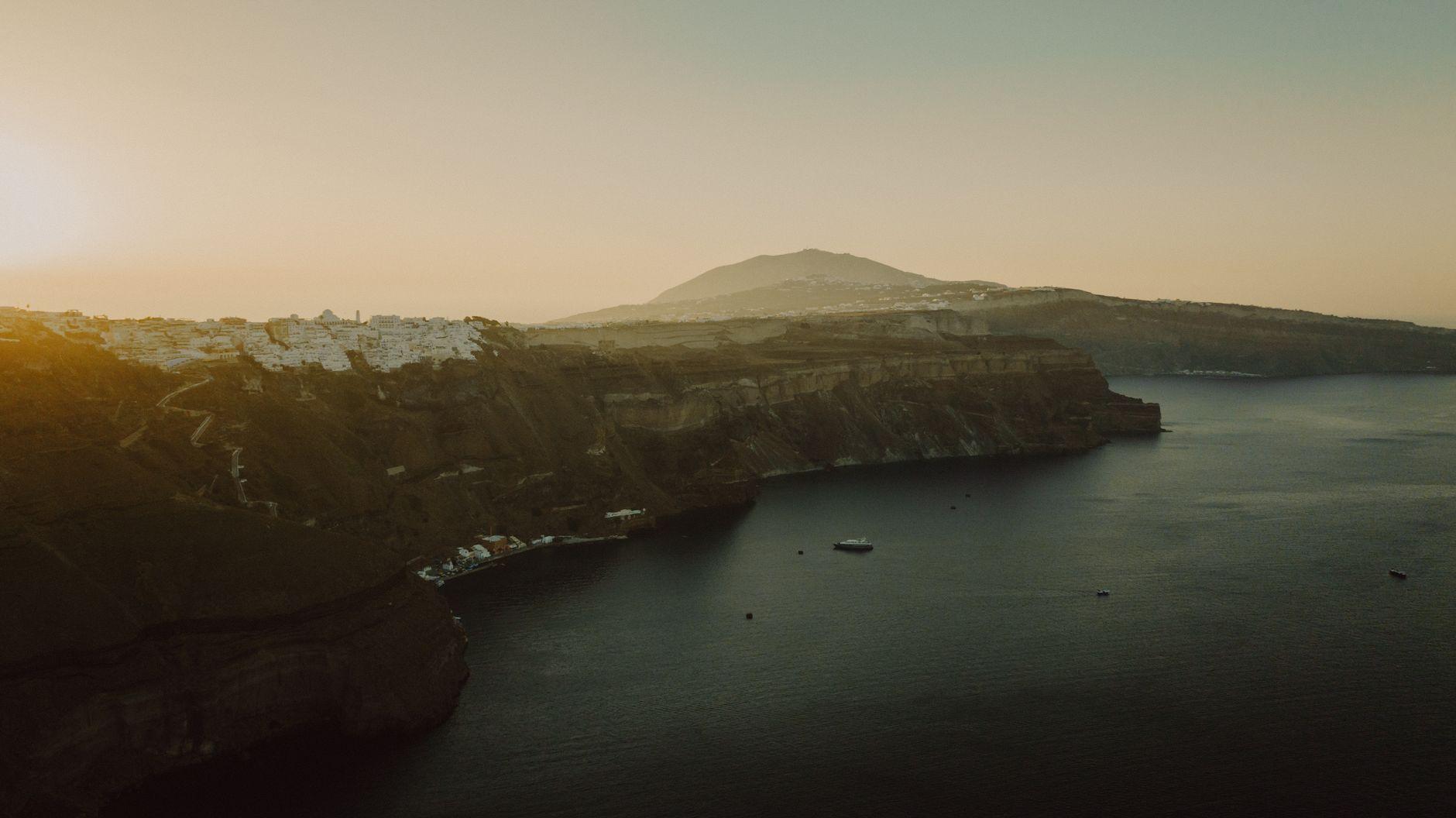
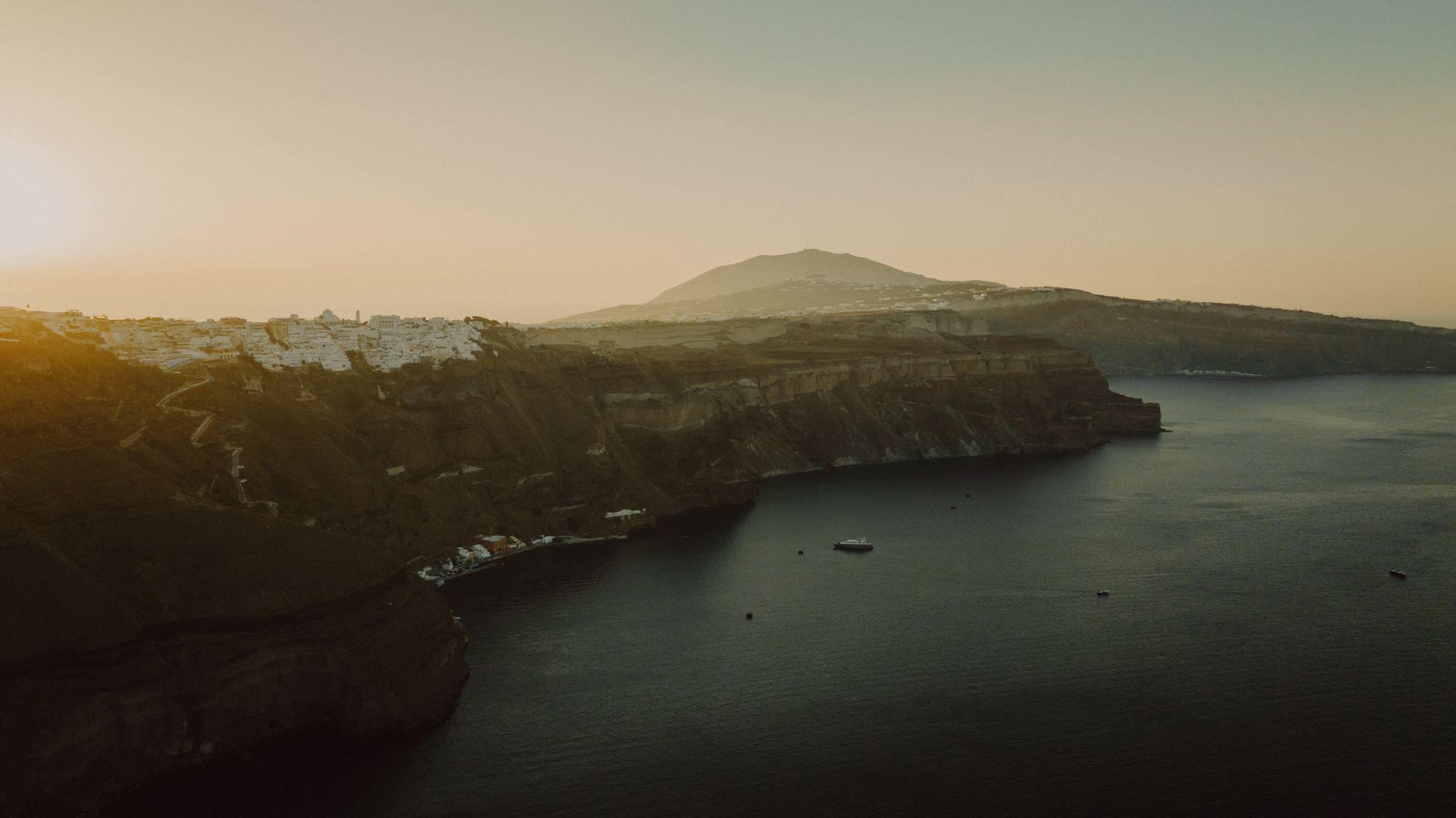
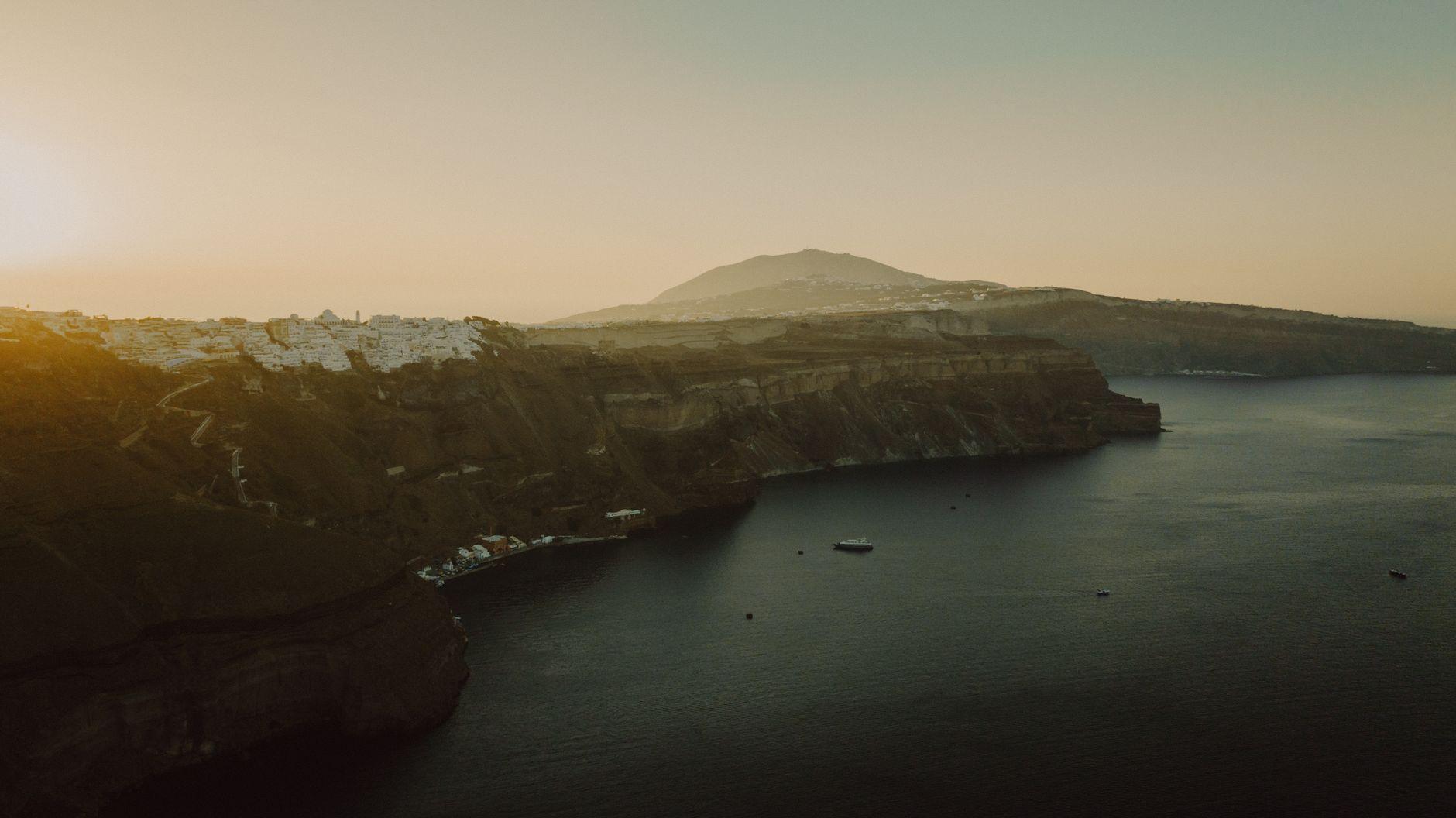
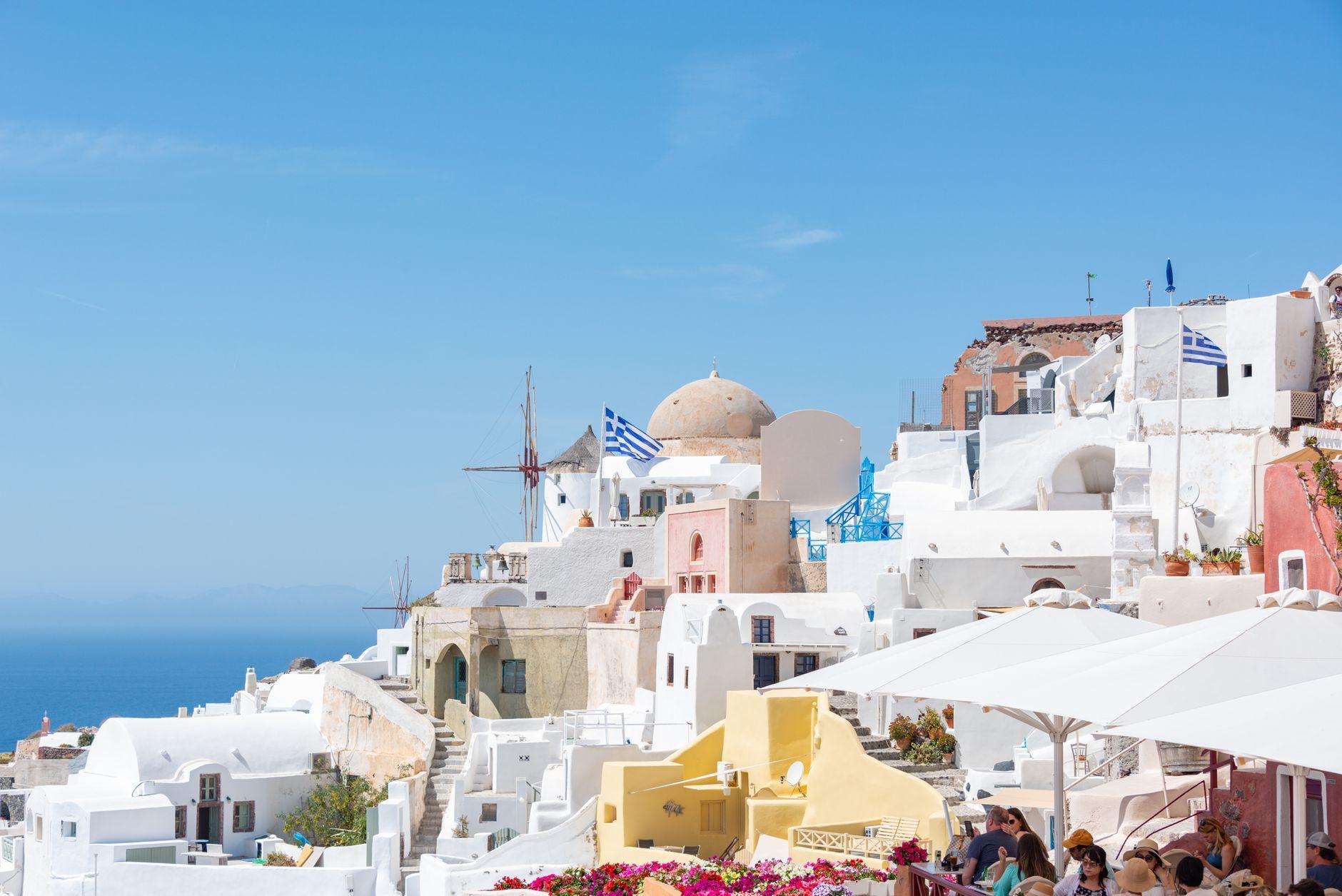
The island's cliffs rise hundreds of metres from the flooded volcanic crater, and the villages above them create views few other Greek islands can match. Walking the caldera rim at dawn or dusk shows the landscape at its most striking. Visitors often describe the first glimpse of the cliffs from the ferry as the moment the trip becomes real.

Oia is widely regarded as the island's best place to watch the sun drop into the sea. Arriving well before dusk secures a good viewpoint, especially in July and August. Many visitors plan the rest of the evening around the sunset, choosing a restaurant or a quiet terrace nearby so they can linger after the sky changes colour.

Vineyards trained into low basket shapes grow Assyrtiko in volcanic soil, producing a crisp, mineral white. Several wineries serve tastings with caldera views. The vines are shaped this way to shelter the grapes from strong winds, and the resulting wines reward a slow tasting with a meal.

Akrotiri is a Minoan-era town preserved under volcanic ash from the Thera eruption and now sheltered by a modern roof. Few sites in the Aegean offer such a complete picture of prehistoric life. Its streets, staircases and multi-storey houses are well preserved, making it a memorable half-day for visitors of every age.

Red Beach sits under red volcanic cliffs, while Perissa offers long black sand. Between them, the island gives you very different beach days within a short drive. Each shore has its own mood, from quiet coves to lively beach bars, so you can change your daily plan without changing your base.

Athinios port links Santorini with Piraeus and other Cyclades islands by ferry. For a short trip, this makes a single base practical without feeling cut off. Day excursions to neighbouring islands are possible in the warmer months, which adds variety to a longer stay.
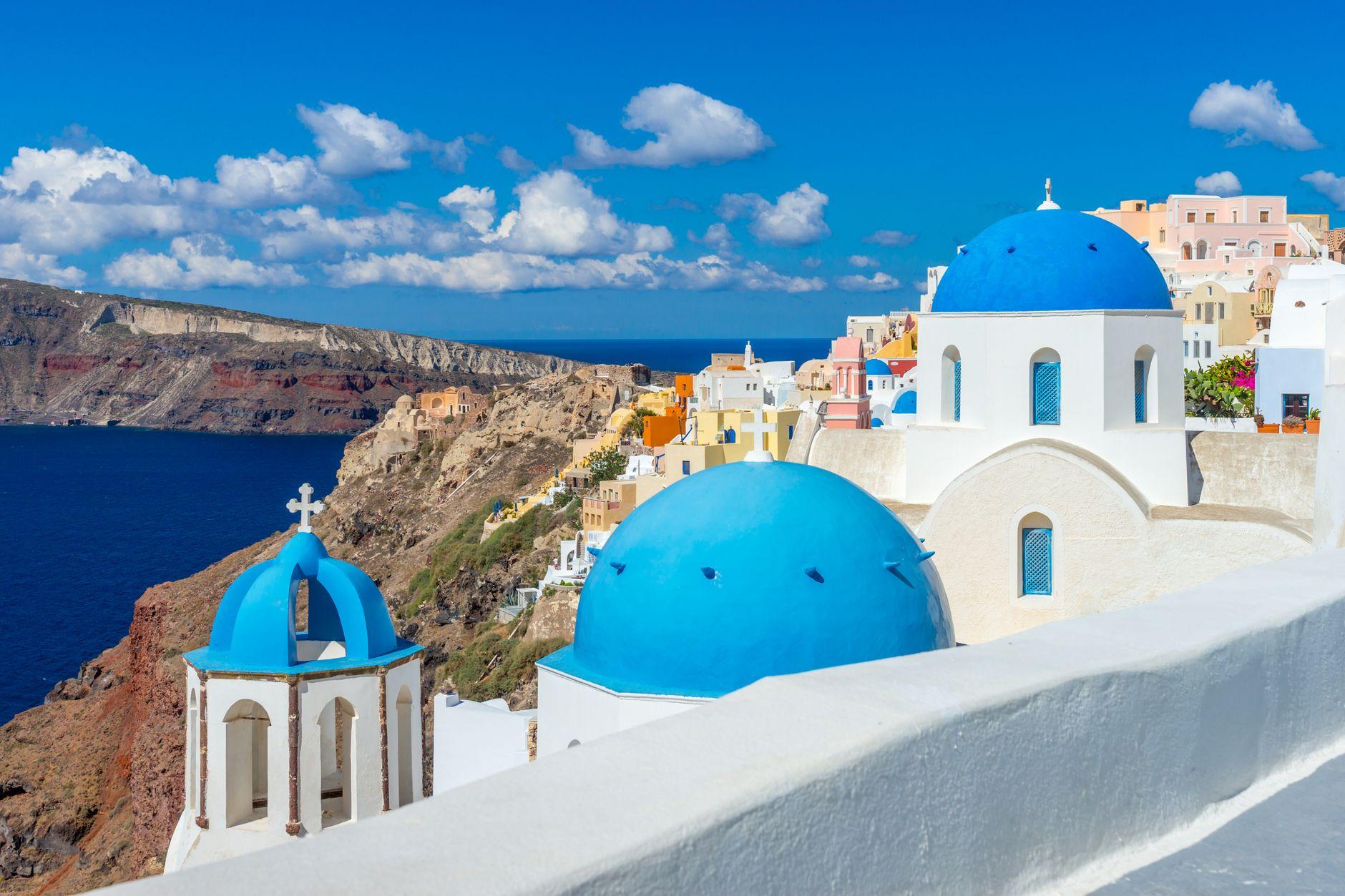
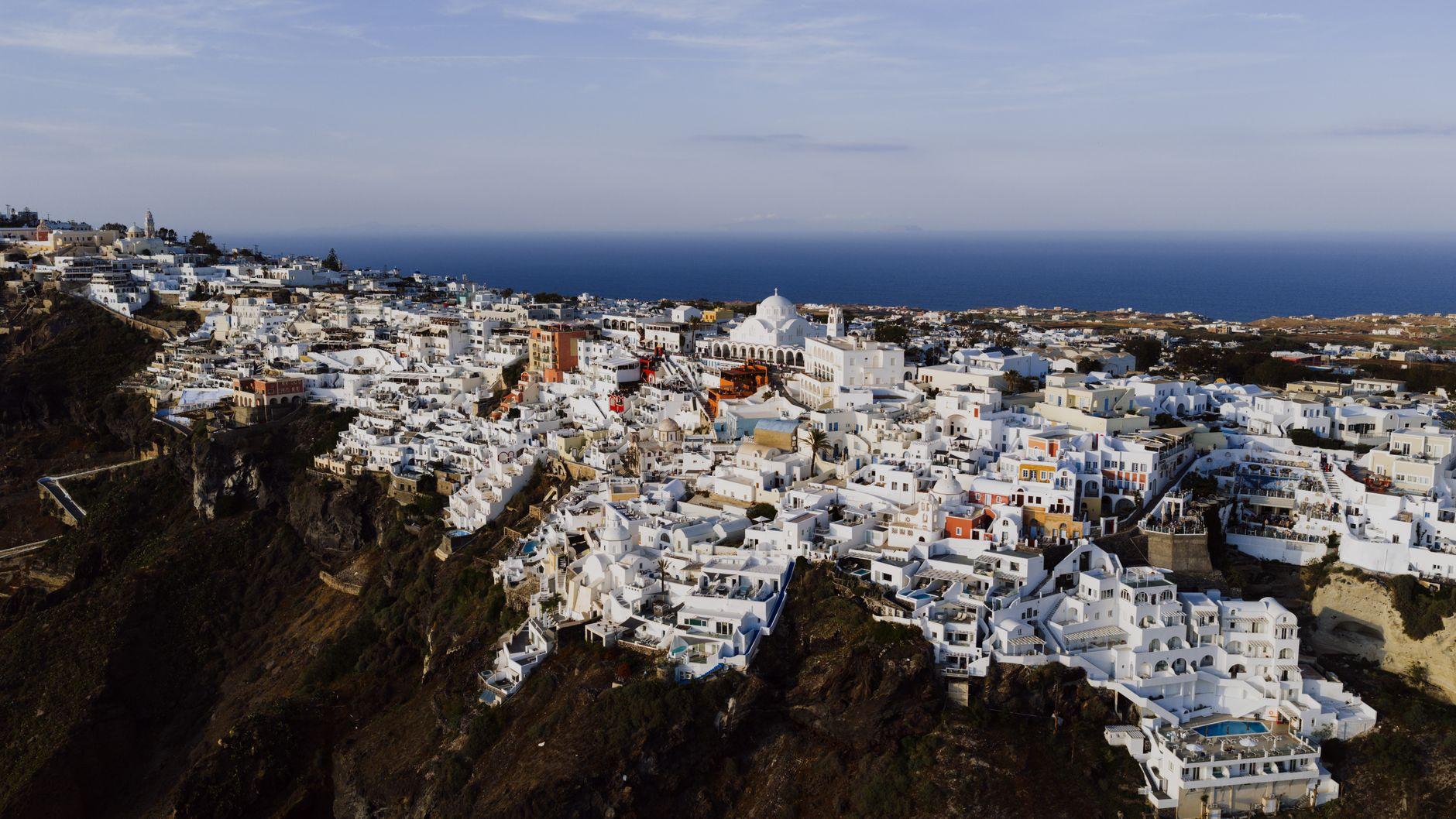
Some parts of the island typically hold on to a little more warmth in January, particularly those sheltered from the north wind.
Higher and more exposed parts of the island typically feel colder and windier in January, so layers are essential.
January is typically cool, windy and wetter than the summer months, with temperatures that are much lower than in July and August. Sunshine is possible on settled days, but the sea is cold and outdoor plans need to be flexible. Layers and waterproofs are sensible for most of the month.
Check out some of our most popular Greece destinations and holiday types
Weekly in your inbox — handpicked package deals and price drops before they sell out.
Our Privacy Policy